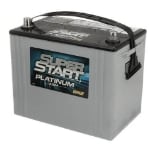
 Battery
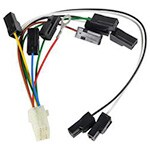 Transmission Wire Harness
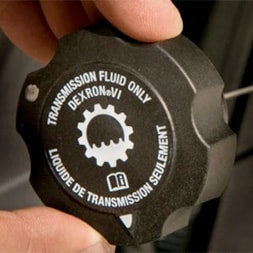
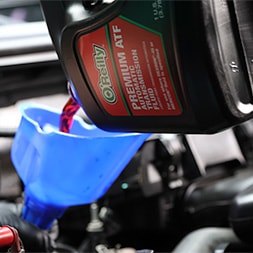
 Transmission Fluid
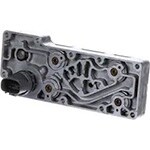 Transmission Control Solenoid
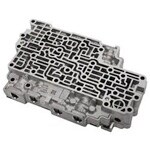 Transmission Valve Body
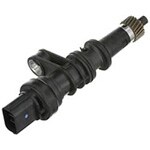 Transmission Speed Sensor
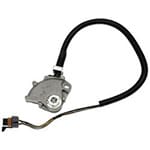 Transmission Range Sensor
The parts and tools needed to resolve this code can vary depending on your vehicle's make and model. If your Check Engine light is on, stop by any O'Reilly Auto Parts for free VeriScan Check Engine light testing. You'll receive a detailed report with more information about your vehicle's diagnostic trouble code, possible causes, and repair options. If you aren't comfortable performing the repair yourself, we can recommend a professional shop or a Certified Auto Repair Service Center in your area to get the job done right.
OBD-II fault code P0700 means "Transmission Control System Malfunction." In practical terms, this means your transmission control module has detected a problem somewhere in the system that manages shifting.
P0700 OBD-II Code Symptoms
Symptoms of a P0700 code can include:
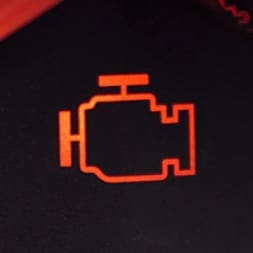
- A Check Engine light
- Harsh, delayed, or erratic shifting
- Limp mode
- A shuddering or slipping transmission
- Reduced acceleration
- Lower gas mileage
- An overheating transmission or burnt fluid smell
- Occasional or intermittent speedometer or cruise control issues
If you're comfortable diagnosing the issue yourself, these steps can help narrow down the cause:
- Start with a free O'Reilly VeriScan report, which can provide you with any related transmission codes.
- Inspect the transmission wiring harness, connectors, and grounds for corrosion, moisture, loose pins, damaged insulation, or broken retainers. Verify the condition of related fuses and relays.
- Check your battery health and charging system voltage.
- Verify your transmission fluid condition, type, and level, as specified by your owners manual.
With a P0700 code, your transmission will likely feel different than normal. Avoid towing and heavy loads until the issue is diagnosed and corrected. Even basic driving can lead to further damage, so it's important to take care of the problem as quickly as possible.
What does DTC mean?
DTC stands for Diagnostic Trouble Code. Your vehicle’s onboard diagnostics (OBD) system generates these codes when it detects a problem with one of your vehicle’s systems, which is also what triggers your Check Engine light. DTC codes help explain what the issue is and where it’s located, so you can begin diagnosing it.
What are some of the most common Diagnostic Trouble Codes?
Some common Diagnostic Trouble Codes (DTCs) include:
- P0300: Random or Multiple Cylinder Misfire
- P0301 through P0312: Single-Cylinder Misfire
- P0171 and P0174: Fuel Trim System is Too Lean
- P0420 and P0430: Catalyst System Efficiency Below Threshold
- P0455: Evaporative Emissions Control System Leak
- P0128: Coolant Temperature Below Thermostat Regulating Temperature
Can I clear a DTC myself?
You can use an OBD-II code reader to scan and clear DTCs yourself, but this only temporarily turns off your Check Engine light. If the underlying issue hasn’t actually been fixed, the code and the light will reactivate. Visit your local O’Reilly Auto Parts for free VeriScan Check Engine light testing.