 Catalytic Converter
 Exhaust Manifold
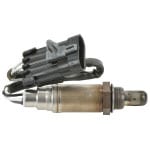 Oxygen Sensor
 Oxygen Sensor Socket Set
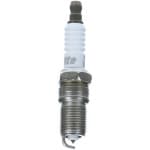 Spark Plugs
 Ignition Coil
 Fuel Injectors
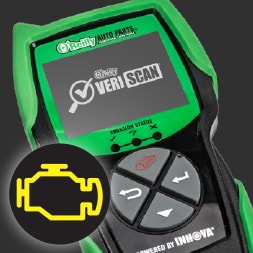
The necessary parts and tools to clear this Diagnostic Trouble Code (DTC) might differ depending on your vehicle's make and model. If your Check Engine light is illuminated, stop by any O’Reilly Auto Parts and get an O’Reilly VeriScan® for your car, truck, or SUV and get a detailed VeriScan report with more information about your vehicle’s Diagnostic Trouble Code(s), along with possible causes and repair solutions. If you aren’t comfortable making these repairs yourself, our parts professionals can recommend a local shop to make your repair.
OBD-II fault code P0420 means “Catalyst System Efficiency is Below Threshold”, and indicates your bank 1 catalytic converter isn’t functioning properly, while P0430 represents the same code for bank 2. Bank 1 and bank 2 indicate the side of a V-type engine that the code is present on, with bank 1 being the set of cylinders containing the number one cylinder and bank 2 being the opposite side of the engine.
P0420 or P0430 Code Diagnosis
When you experience a P0420 or P0430 diagnostic trouble code, your vehicle may be experiencing failure in one of a few areas:
- Exhaust system
- Engine Misfires
- Oxygen Sensors
- Fuel Pressure or Fuel Injectors
An engine misfire, fuel pressure issue, or defective oxygen sensor can lead to your catalytic converter not functioning efficiently, or the exhaust system or catalytic converter itself may have failed, and you may see additional codes that can help narrow down your diagnosis.
P0420 or P0430 OBD-II Code Symptoms
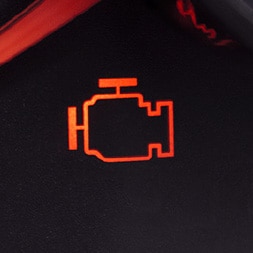
There may or may not be noticeable signs or symptoms of a P0420 or P0430 code besides a Check Engine light. If the catalytic converter is clogged or damaged, you may notice a smell similar to rotten eggs coming from your exhaust. If the issue is related to the catalytic converter, ignition, or fuel systems, you may also notice your engine is not running as smoothly as usual. This can be caused by misfires, which occur when one or more cylinders are not firing, and result in an imbalance in the engine’s operation.
Symptoms of a P0420 or P0430 Code can include:
- Check Engine light
- Rotten egg/sulfur smell from the exhaust
- Rough engine operation or rough idle
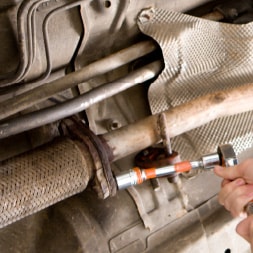
If you’re comfortable diagnosing the issue yourself, or if you have other codes related to a misfire or oxygen sensor problems, you may be able to determine the cause of your P0420 or P0430 code with a physical inspection.
In some cases, especially if you don’t notice a sulfur smell but are experiencing rough engine operation, it may also be a good idea to inspect your ignition system, including ignition coils, boots, and spark plugs, oxygen sensors and their connectors, as well as your fuel system, to determine if it’s producing adequate pressure to keep the engine running at its best.
Whether you notice any symptoms or not, it is not recommended that you drive a vehicle with this code until the problem is diagnosed.
Risks of Driving with a P0420 or P0430 Code:
Your vehicle may still run, but driving has the potential to make the problem worse or cause damage to other systems.