 Battery
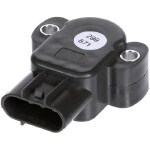 Throttle Position Sensor
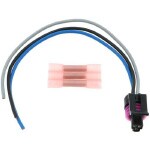 Throttle Position Sensor Connector
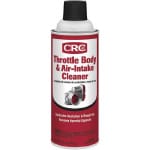 Throttle Body Cleaner
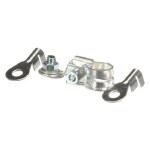 Battery Terminal
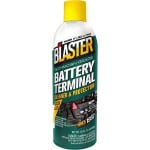 Battery Terminal Cleaner
The parts and tools needed to resolve these codes can vary depending on your vehicle's make and model. If your Check Engine light is on, stop by any O'Reilly Auto Parts for free VeriScan Check Engine light testing. You'll receive a detailed report with more information about your vehicle's diagnostic trouble codes, possible causes, and repair options. If you aren't comfortable performing the repair yourself, we can recommend a professional shop or a Certified Auto Repair Service Center in your area to get the job done right.
OBD-II fault code P0121 means "Throttle Position Sensor or Switch 'A' Circuit Range or Performance." This means the signal from your gas pedal or throttle body sensor is either not in the normal range or isn't changing the way it should when the throttle is opened and closed.
P0121 OBD-II Code Symptoms
Symptoms of a P0121 code can include:
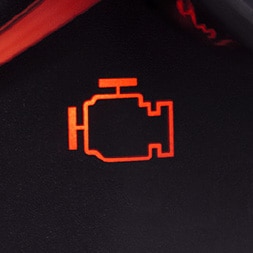
- A Check Engine light
- Limp mode
- Hesitation, stumbling, or lack of power when accelerating
- Surging or fluctuating RPMs at steady throttle
- Rough idle or stalling, especially when stopping
- Hard or abnormal transmission shifting
- Poor gas mileage
If you're comfortable diagnosing the issue yourself, these steps can help narrow down the cause:
- Start with a free O'Reilly VeriScan report, which can provide you with any other trouble codes to help you diagnose the specific problem.
- Check the throttle position sensor connector for corrosion, moisture, broken locks, or bent pins, and make sure the harness isn't chafed or bent.
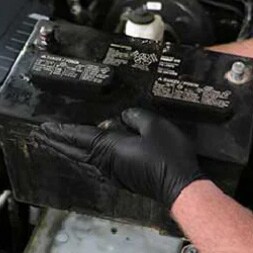
- Inspect your battery terminals and engine grounds to make sure they're clean and secure.
- Check the throttle body for carbon buildup or a sticking plate, and clean it, if needed, with throttle body cleaner and a lint-free cloth.
Driving with a P0121 code isn't recommended, since it can cause erratic throttle behavior, loss of power, or unexpected acceleration, any of which can lead to dangerous driving conditions.
What does DTC mean?
DTC stands for Diagnostic Trouble Code. Your vehicle's onboard diagnostics (OBD) system generates these codes when it detects a problem with one of your vehicle's systems, which is also what triggers your Check Engine light. DTC codes help explain what the issue is and where it’s located, so you can begin diagnosing it.
What are some of the most common Diagnostic Trouble Codes?
Some common Diagnostic Trouble Codes (DTCs) include:
- P0300: Random or Multiple Cylinder Misfire
- P0301 through P0312: Single-Cylinder Misfire
- P0171 and P0174: Fuel Trim System is Too Lean
- P0420 and P0430: Catalyst System Efficiency Below Threshold
- P0455: Evaporative Emissions Control System Leak
- P0128: Coolant Temperature Below Thermostat Regulating Temperature
Can I clear a DTC myself?
You can use an OBD-II code reader to scan and clear DTCs yourself, but this only temporarily turns off your Check Engine light. If the underlying issue hasn't actually been fixed, the code and the light will reactivate. Visit your local O’Reilly Auto Parts for free VeriScan Check Engine light testing.