 VVT Solenoid
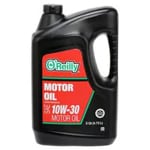 Motor Oil
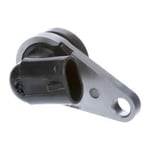 Camshaft Position Sensor
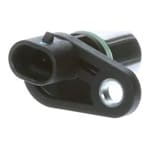 Crankshaft Position Sensor
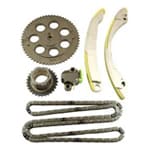 Timing Chain Kit
The parts and tools needed to resolve these codes can vary depending on your vehicle’s make and model. If your Check Engine light is on, stop by any O’Reilly Auto Parts for free VeriScan Check Engine light testing. You’ll receive a detailed report with more information about your vehicle’s diagnostic trouble codes, possible causes, and repair options. If you aren’t comfortable performing the repair yourself, we can recommend a professional shop or a Certified Auto Repair Service Center in your area to get the job done right.
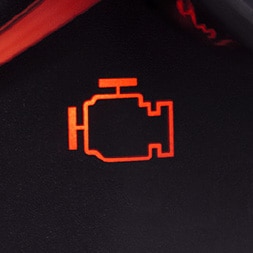
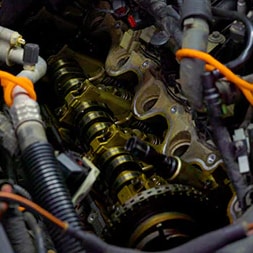
OBD-II fault code P0011 means “Intake Camshaft Position Timing Over-Advanced (Bank 1),” and P0014 means “Exhaust Camshaft Position Timing Over-Advanced (Bank 1).” This means your engine’s computer has detected that the timing on one of the bank 1 camshafts isn’t within the specifications expected by the engine control module.
P0011 & P0014 OBD-II Code Symptoms
Some vehicles may only show a Check Engine light, which may flash if the engine is misfiring. Other symptoms of a P0011 or P0014 code can include:
- Rough idle
- Hesitation
- Stalling
- Reduced power
- Sluggish acceleration
- Hard starts
- Reduced fuel efficiency
- Increased emissions
If you’re comfortable diagnosing the issue yourself, start with a free O’Reilly VeriScan report to check for any related faults, like camshaft or crankshaft sensor codes, misfires, or oil pressure warnings that can help narrow down the cause. Depending on what comes back, one or more of the following checks may help:
- Check your oil. Make sure the oil level and viscosity are correct for your vehicle and that the oil isn’t dirty. Top it off if it’s low, or change your oil and filter if it’s dirty or you’re due for a change. The VVT system depends on oil pressure to operate, and low or dirty oil is one of the primary causes of VVT system issues and failure.
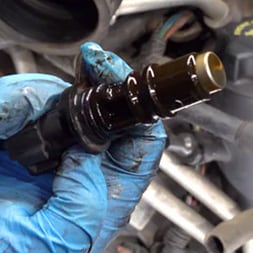
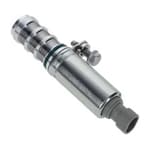
- Check your VVT solenoids and wiring. Look for frayed wiring, damaged connectors, or corrosion. If your VVT solenoids are accessible, remove them to inspect and clean the screens, and replace any that are sticking or contaminated.
- Verify oil pressure and check for restrictions. Low pressure from a weak oil pump, or any clogged or blocked oil passages, can prevent the cam phasers from operating properly. Correct any oil pressure or blockage issues before replacing VVT components, if possible.
- Evaluate timing components and sensors. Look for worn timing belt or chain guides, slack in the timing chain or belt, or a failing tensioner, and check the camshaft and crankshaft position sensor signals and connections if possible.
Driving with either code isn’t recommended until you diagnose the problem, whether or not you notice any symptoms. Your vehicle may still run, but continuing to drive it can make the underlying problem worse or damage other systems.
What does DTC mean?
DTC stands for Diagnostic Trouble Code. Your vehicle’s onboard diagnostics (OBD) system generates these codes when it detects a problem with one of your vehicle’s systems, which is also what triggers your Check Engine light. DTC codes help explain what the issue is and where it’s located, so you can begin diagnosing it.
What are some of the most common Diagnostic Trouble Codes?
Some common Diagnostic Trouble Codes (DTCs) include:
- P0300: Random or Multiple Cylinder Misfire
- P0301 through P0312: Single-Cylinder Misfire
- P0171 and P0174: Fuel Trim System is Too Lean
- P0420 and P0430: Catalyst System Efficiency Below Threshold
- P0455: Evaporative Emissions Control System Leak
- P0128: Coolant Temperature Below Thermostat Regulating Temperature
Can I clear a DTC myself?
You can use an OBD-II code reader to scan and clear DTCs yourself, but this only temporarily turns off your Check Engine light. If the underlying issue hasn’t actually been fixed, the code and the light will reactivate. Visit your local O’Reilly Auto Parts for free VeriScan Check Engine light testing.