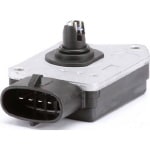
 Mass Air Flow (MAF) Sensor
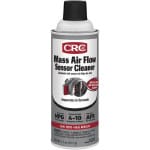 MAF Sensor Cleaner
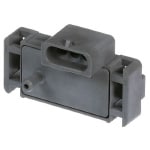 Manifold Absolute Pressure (Map) Sensor
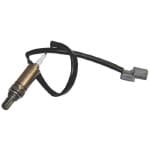 Oxygen Sensor
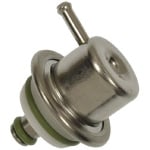 Fuel Pressure Regulator
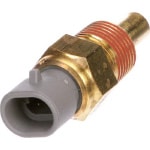 Coolant Temperature Sensor
 Air Temperature Sensor
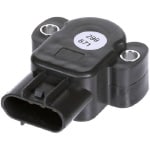 Throttle Position Sensor
 Fuel Injector(s)
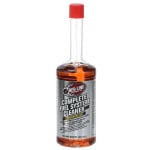 Fuel Injection Cleaner
 Thermostat
The necessary parts and tools to clear this Diagnostic Trouble Code (DTC) might differ depending on your vehicle's make and model. If your Check Engine light is illuminated, stop by any O’Reilly Auto Parts and get an O’Reilly VeriScan® for your car, truck, or SUV and get a detailed VeriScan report with more information about your vehicle’s Diagnostic Trouble Code(s), along with possible causes and repair solutions. If you aren’t comfortable making these repairs yourself, our parts professionals can recommend a local shop to make your repair.
OBD-II fault code P0172 and P0175 means “Fuel Trim System is Too Rich” in bank 1 or bank 2. Bank 1 and bank 2 are just names indicating the banks of cylinders and corresponding components on either side of a V-type engine, with bank 1 being the side that contains cylinder 1, and bank 2 indicating the opposite side. In four-cylinder or straight-six engines, there will not be a bank 2, since there are not two sides to the engine itself. When you see P0172 or P0175, the engine powertrain control module in your vehicle is receiving information that indicates your engine’s air-to-fuel mixture contains too much fuel, and not enough air. Over-fueling or too much fuel in the mixture is referred to as the engine running rich.
P0172 and P0175 Code Diagnosis
When you experience a P0172 or P0175 diagnostic trouble code, your vehicle may be experiencing failure in one of a few areas:
- Control module or software
- MAF (mass air flow sensor)
- MAP (manifold absolute pressure sensor)
- Oxygen sensor
- Fuel pressure regulator
- Coolant sensor
- Air temperature sensor
- Throttle position sensor
- Fuel return line
- Fuel injector(s)
- Thermostat
- Ignition
- Internal engine problems
P0172 and P0175 OBD-II Code Symptoms
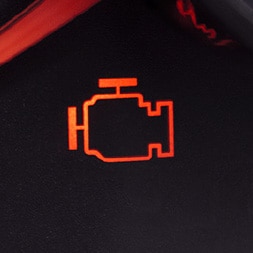
Aside from a Check Engine light, you may notice performance problems, black smoke from your tailpipe, or poor fuel economy.
Symptoms of a P0172 or P0175 Code can include:
- Check Engine light
- Lack of power
- Coughing/sputtering
- Misfiring
- Rough idling
Even though your vehicle will still run and you may not even notice any symptoms, it’s important to have this code diagnosed as soon as possible to avoid more serious issues down the road.
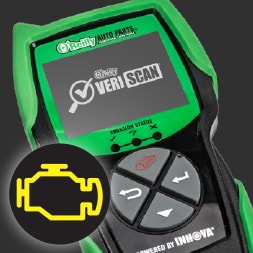
If your Check Engine light is on, stop by any O’Reilly Auto Parts location where our Parts Professionals can scan and diagnose your illuminated Check Engine light for free with our exclusive O’Reilly VeriScan code reading service. An O’Reilly VeriScan provides a detailed report of possible causes and solutions or repairs for your illuminated Check Engine light. The O'Reilly VeriScan report, along with the O’Reilly Auto Parts How-To resources can help you understand what parts, tools, and services you need to clear your DTCs and Check Engine lights. If you aren’t comfortable performing any necessary repairs yourself, we are also happy to recommend a local repair shop.