
 EverTough Fuel Pressure Test Kit
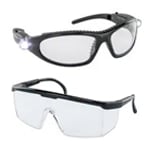 Safety Glasses
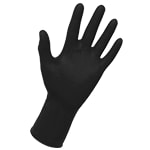 Gloves
Park in a well-ventilated area and wait for your engine to cool. Open the hood and find the Schrader valve on the fuel rail. Remove the valve cap, if your vehicle has one.
Fuel pressure that’s too high or too low changes how much fuel reaches your engine, which can show up as rough running, poor acceleration, or lower gas mileage well before it causes a bigger problem. Our Professional Parts People recommend testing your fuel pressure if you notice:
- Hard Starting or No-Start Conditions: If your engine cranks but won’t start, or takes longer than usual to start, low fuel pressure may mean the engine isn’t getting enough fuel to fire consistently.
- Rough Idle or Stalling: Fuel pressure that fluctuates or drops while the engine is idling can cause a rough, uneven idle or unexpected stalling.
- Hesitation or Poor Acceleration: If your engine hesitates or seems sluggish when you press the gas, the fuel system may not be able to keep up with the engine’s demand for fuel at higher RPMs.
- Reduced Gas Mileage: Fuel pressure that’s too high can push more fuel through the injectors than your engine needs, which often causes fuel waste and worsens gas mileage.
- Check Engine Light with Fuel Trim Code: A fuel trim code indicates your engine is constantly adjusting to compensate for an inappropriate air-fuel mixture. A pressure test can help confirm or rule out the fuel system as the cause.
Rather than buying tools you may only need once, like a fuel pressure test kit, stop by your local O’Reilly Auto Parts store and rent what you need through our Loaner Tool Program. Simply purchase the parts you need and pay a refundable deposit for the tool. When you return the rental tool in its original condition, you’ll receive a full refund.

Step 1: Locate Your Schrader Valve

Step 2: Connect Your Fuel Pressure Tester
Find the fitting that lets the fuel pressure tester connect securely to the valve, and thread it into place.

Step 3: Turn On Your Ignition Switch
Turn your ignition switch to the “Run” position without starting the engine.

Step 4: Check Your Pressure Reading
Check the pressure reading on the gauge, then wait five to ten minutes with the ignition in that position to make sure the fuel pressure is holding steady.

Step 5: Turn Your Engine On
If the pressure has remained constant and your vehicle can still be started, start the engine and let it idle. The fuel pressure should stay within a few psi of your vehicle’s recommended pressure.

Step 6: Pump the Gas Pedal
Once the engine has warmed up, slowly give it more throttle. The fuel pressure should rise as the RPMs increase.

Step 7: Turn Off Your Engine
Turn off your engine and wait for it to cool.

Step 8: Disconnect the Fuel Tester
Once the engine has cooled, disconnect the tester and put the cap back on the valve. Close the hood.
If your fuel pressure reading falls outside your vehicle’s recommended range, stop by your local O’Reilly Auto Parts store. We can help you find the right replacement parts, or recommend a professional shop or a Certified Auto Repair Service Center in your area to get the job done right.
What does low fuel pressure mean?
Low fuel pressure usually points to a weak or failing fuel pump, a clogged fuel filter, a leaking fuel line, or a faulty fuel pressure regulator. A fuel pressure test helps you pinpoint the problem, so you’re not guessing or replacing parts unnecessarily.
What does high fuel pressure mean?
High fuel pressure is less common, but it usually points to a stuck fuel pressure regulator or a blocked fuel return line on vehicles that use one. Consistently high pressure pushes too much fuel into the engine, which hurts fuel economy and can affect emissions.
Can a bad fuel pump cause low fuel pressure?
No. Starters are designed for specific engines and transmissions, and mounting points can vary by vehicle. Always match the replacement starter to your exact year, make, and model when shopping at O’Reilly Auto Parts.
Can a bad starter seem like a battery problem?
Yes. A worn fuel pump is one of the most common causes of low fuel pressure, since it can’t move enough fuel to maintain proper pressure, especially at higher RPMs. A fuel pressure test can confirm a failing pump before you replace it, rather than relying on symptoms alone.
| Item | Recommended Product | Purpose |
|---|---|---|
| Fuel Pressure Test Kit |
EverTough Fuel Pressure Test Kit | Connects to the fuel rail’s Schrader valve to measure fuel pressure directly from the fuel system |
| Safety Gear |
SAS Nitrile Gloves & Safety Glasses | Protects your eyes and hands from fuel splash when connecting and disconnecting the tester |


The automotive repair work depicted in this series is performed under the direction of the manufacturer of the product featured. Prior to undertaking any of the demonstrated repairs on your vehicle, we suggest you consult with a certified mechanic or another professional who can adequately advise you of the proper repair or remedy required. O’Reilly Automotive Stores, Inc. and its affiliates (“O’Reilly”) disclaims any responsibility for injury or damage resulting from a viewer’s attempt to recreate the repairs shown in this series.