
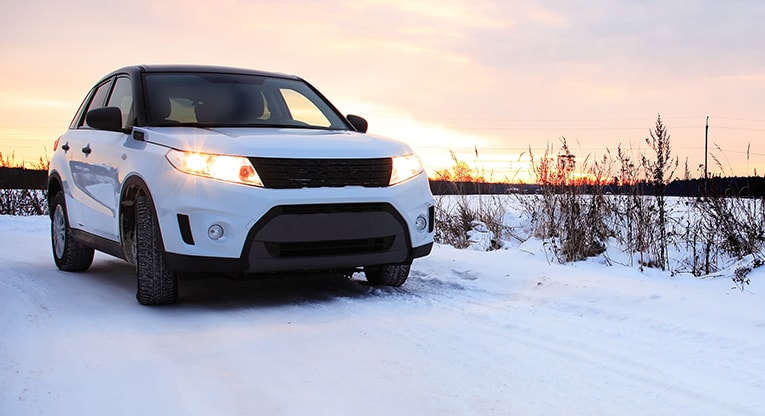
Winter brings freezing temperatures, icy roads, and conditions that can put your vehicle under serious stress. Preparing early can prevent breakdowns, improve safety, and help your car handle the cold months with fewer surprises.
Preparing your car for winter driving isn’t just a cold-weather chore — it’s one of the most important steps you can take to stay safe on the road. Whether you're commuting in early-morning frost or navigating snowy highways, O’Reilly Auto Parts has the winter car emergency supplies and maintenance products to help your vehicle stay ready for harsh weather.
Cold weather affects nearly every system in your car. Batteries lose power, fluids thicken, tire pressure drops, and road salt starts eating away at your vehicle’s exterior. Without preparation, small issues can turn into expensive repairs or unsafe situations on the road. Winter driving preparation helps you:
- Protect your engine and electrical system
- Maintain traction on snow and ice
- Prevent frozen locks, windows, and fluids
- Reduce the chance of being stranded
- Drive confidently even in harsh winter weather
Most importantly, winterizing your car gives you the peace of mind that you’re prepared — whether temperatures dip below zero or a sudden storm hits.

Below is a breakdown of what matters most when preparing your car for winter driving and assembling a winter survival kit.
1. Fluids That Keep Your Car Running in the Cold
Cold temperatures thicken engine oil and reduce coolant effectiveness, so your fluids should be checked long before the first freeze. Many drivers switch to winter-grade oil to improve circulation during cold starts. Antifreeze should maintain a strong 50/50 mixture to protect your engine and heater core, and winter windshield washer fluid prevents spray lines from freezing.
2. Battery Strength and Electrical Reliability
A weak battery that works fine in summer may fail the moment temperatures drop. Cold weather can significantly reduce battery power, making winter one of the most common times for sudden no-start issues. At O’Reilly Auto Parts we offer free car battery testing services — this free load test helps determine whether your current battery can keep up with winter demands. Cleaning corrosion from terminals and checking alternator output also helps your electrical system perform reliably.
3. Tires, Traction, and Winter Stability
Nothing affects winter safety more than traction. Preparing your vehicle for winter driving often includes switching to snow tires or quality all-season tires with good tread depth. Colder temperatures reduce tire pressure, making it essential to monitor PSI as seasons change. Many drivers also keep traction aids on hand — such as sand, cat litter, or traction boards — which can help if you get stuck on ice or compacted snow.
4. Protecting Your Vehicle’s Exterior From Salt and Ice
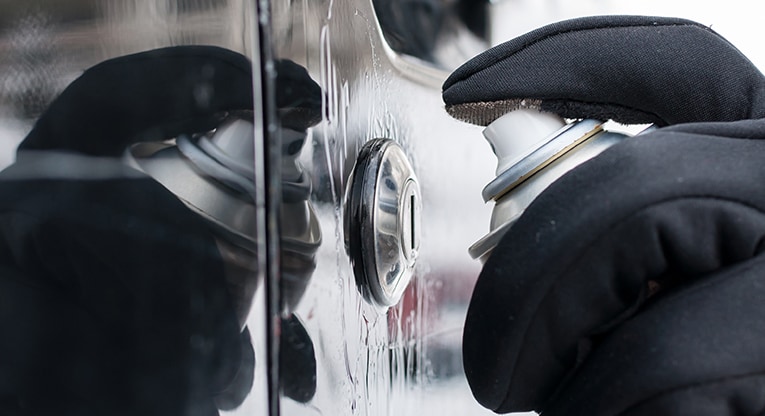
Preparing your car for winter driving also includes protecting the body and undercarriage. Road salt speeds up rust, so applying a coat of wax before winter and rinsing the vehicle frequently helps preserve the finish. Keeping an ice scraper, snow brush, and de-icer spray handy prevents scraping damage and helps maintain visibility. Products at O’Reilly Auto Parts make it easy to prevent corrosion throughout the season.
5. Building a Reliable Winter Car Emergency Kit
A winter car emergency kit is essential for safe winter travel — especially during road closures, blizzards, long commutes, or unexpected breakdowns. Your kit should include items that keep you warm, visible, and able to handle minor roadside issues until help arrives.
If you want a deeper breakdown of must-have supplies and step-by-step recommendations, you can explore our Winter Roadside Kit article in the How To Hub for a more detailed guide.
Even with a vehicle fully prepared for winter driving, your driving habits still matter. Improve safety by:
- Increasing following distance
- Slowing down before curves and intersections
- Avoiding sudden braking or sharp steering
- Keeping at least half a tank of fuel to prevent frozen lines
- Clearing all ice and snow from your vehicle, especially around the tailpipe
Winter road conditions change fast — patience and preparation work together to reduce risk.
What is the best month to prepare a car for winter driving?
Most drivers prepare their car for winter driving in late fall, before overnight temperatures consistently drop below freezing. Getting ready early ensures your battery, fluids, and tires are ready before sudden cold snaps, which are known to cause early-season breakdowns.
How long does it take to prepare a vehicle for winter driving?
Basic winter driving preparation — checking fluids, the battery, and tire pressure — can be done in under an hour. More thorough prep, such as applying protective coatings or assembling a winter car emergency kit, may take additional time but helps ensure your vehicle is ready and safe throughout the season.
Can preparing my car for winter driving improve fuel efficiency?
Yes. Proper tire pressure, fresh fluids, and a healthy battery reduce strain on the engine during cold starts and winter driving. These measures can help the vehicle run more efficiently in freezing temperatures.
What do new drivers often misunderstand about preparing a car for winter driving?
Many assume winter prep only involves scraping ice or warming the engine. In reality, preparing a vehicle for winter driving includes evaluating traction, checking battery health, protecting the exterior, and assembling winter car emergency supplies — all of which improve safety far beyond de-icing the windshield.
Winter driving brings plenty of challenges, but preparing your vehicle ahead of time makes a major difference in safety and confidence. From improving traction and protecting your exterior to assembling a practical winter survival kit, these steps help your car handle whatever the season throws your way.
Whenever you're ready to gear up for winter, O’Reilly Auto Parts has the seasonal maintenance products, winter emergency supplies, and cold-weather tools you need to stay safe on every snowy day and icy commute.