
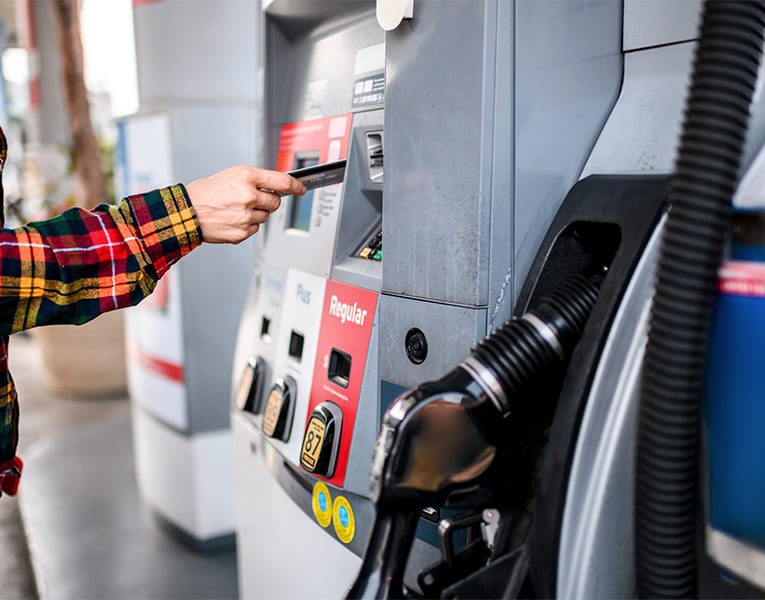

We could all use a little extra money in our pockets, and a few small adjustments can add up to big savings. Below are some tips to help you increase your fuel economy and save some cash.
Use your vehicle’s air conditioner as little as possible (within reason). The compressor puts a greater load on the engine, which reduces fuel economy. When you’re not driving, park your vehicle in the shade when you can, use a sunshade in your windshield, and leave windows cracked for ventilation.
Low tire pressure or imbalanced tires can result in more gas burning than necessary. Consult your owners manual for the optimal level of inflation and check your tire pressure at regular intervals.
As an air filter clogs with dirt and debris, airflow becomes restricted and causes a vehicle’s fuel management system to add more gasoline to the mix of fuel and air, lowering gas mileage. Changing a filter that’s clogged can help restore the right ratio and help fuel economy.
 MicroGard
 MicroGard Select
 WIX
WIX
 K&N
K&N
 aFe Power
 ACDelco
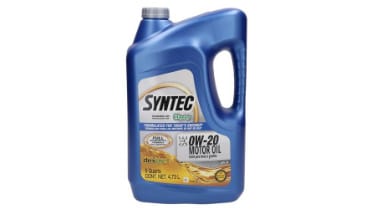
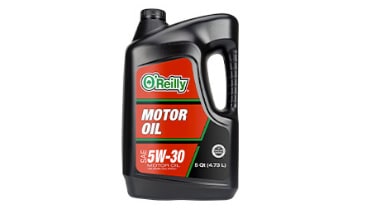
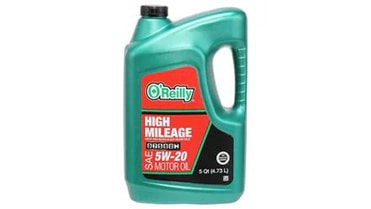
Routine oil changes will improve the overall efficiency and gas mileage of your engine by preventing the breakdown of oil and the buildup of sludge that can happen over time. Though you can have your oil changed at a shop, you can also save money performing a DIY oil change at home. Learn more about how to change your oil in our How-To Hub.
 Mobil 1
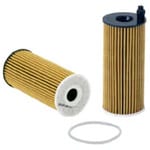 Shop All Engine Oil Filters

A fuel injection cleaner or fuel system treatment is a simple, affordable way to remove carbon deposits and moisture from the fuel system, improving the performance and efficiency of your engine.
A dirty fuel filter can limit fuel flow or cause your engine to receive irregular amounts of fuel. This can result in a loss of performance, hard starts, and even decreased fuel efficiency. If you can’t remember the last time you replaced your fuel filter, doing so may not only boost your car’s power, but can also increase fuel mileage. Learn more about how to replace a fuel filter with our How-To resources.
 Dorman HELP!
 Edelbrock
 Russell
 Spectre Performance
Spark plugs ignite the fuel mixture in the engine to create power. Over time, spark plugs can develop carbon buildup or wear that can limit their power and lead to incomplete combustion. Worn spark plugs can decrease fuel economy by up to 30%, and replacing them is one of the best things you can do for your car’s gas mileage. Not sure what kind of spark plug you need? We can help you learn which spark plugs are best for your vehicle.

Drive Smart
Remove Extra Weight
Observe the Speed Limit

Keep Idling to a Minimum
Any time the Check Engine light is on in your vehicle, it means something is not operating as it should. No matter whether it’s a failing sensor, an unbalanced fuel mixture, or a misfire, problems associated with a Check Engine light can have a major effect on performance and mileage. Even a loose gas cap that turns the Check Engine light on can lead to fuel vapors escaping while driving. You can get your Check Engine light codes scanned for free with O’Reilly VeriScan®. We can help you make prompt repairs before these problems affect your driving experience or efficiency.

