Safety Glasses
 Nitrile Gloves
 Power Steering Hoses
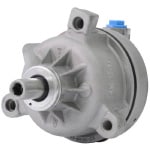 Power Steering Pump (Optional)
 Power Steering Fluid
 Jack
Jack
 Jack Stands
 Drain Pan
 Shop Rags
After checking your service manual for maintenance intervals and installation procedures specific to your vehicle, follow these step-by-step instructions to replace your power steering hoses.

Step 1: Prepare Your Vehicle
Park on a level surface and open the hood. If needed, chock the rear wheels and lift the front end with a jack. Having the front of the vehicle on jack stands may also help with the bleeding process later on.

Step 2: Remove the Power Steering Cap
Remove the cap from the power steering fluid reservoir and place a catch basin under your power steering system.

Step 3: Drain the Fluid Reservoir
You can drain the fluid from the reservoir either by detaching the hoses from the reservoir, or by siphoning the fluid for less mess. If you’re draining fluid by detaching the hoses, use shop towels or rags to protect nearby components from the power steering fluid.

Step 4: Detach Both Ends of the Hose
Loosen the hose clamps, fittings, or other fasteners securing the hoses at the pump and detach that end of each hose. Locate and detach the other end of each hose. Take note of how the hoses are routed as you remove them so you can install your new hoses properly and prevent them from rubbing or contacting anything that could damage them.

Step 5: Inspect Fasteners and Hose Clamps
Inspect your fasteners and hose clamps for rust or excessive wear, and replace them if needed.

Step 6: Compare Hoses
Once the old hoses are detached and removed, compare them to your replacement hoses to make sure you have the right ones.

Step 7: Transfer Sensors or Other Hardware
There may be a sensor or other hardware that needs to be transferred between the old and new power steering hoses, so do that now if needed.

Step 8: Install Replacement Hoses
Carefully route and reinstall each of your replacement hoses, making sure they’re in the same orientation as the hoses you removed before reattaching them. If you had to remove any components for access, you can reinstall them once your new hoses are secured.

Step 9: Flush and Bleed Your Power Steering System
Now you’ll want to flush and bleed the power steering system, and there may be a specific procedure for your vehicle, but most are relatively similar. Follow our step-by-step instructions on how to flush your power steering system, as well as our video detailing how to bleed your steering system.

Step 10: Check for Leaks
Once the hoses are connected and the power steering system has been flushed and bled, you should be able to start the vehicle and make sure that the power steering system is leak-free and working as it should.

Step 11: Top Off Power Steering Fluid
If there are no leaks and the power steering system is working properly, ensure the fluid level is topped off, replace the power steering cap, and close the hood. If you raised your vehicle, removed a splash guard, or chocked your rear wheels, be sure to address these items before driving.