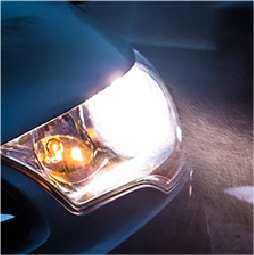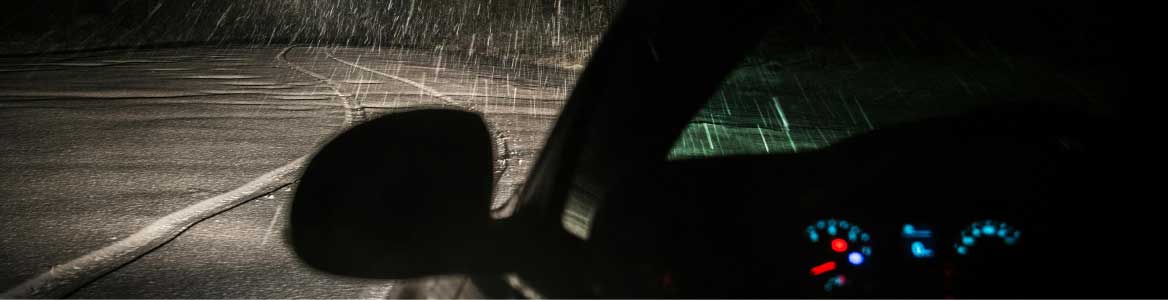
No matter how experienced a driver you may be, working headlights are a critical safety component when operating your vehicle in poor weather or at night. Good headlights are essential for safe driving and increased visibility on the road, especially during evening driving or adverse weather conditions like heavy rain or fog. Your headlights also help make your vehicle more visible to other drivers, allowing other motorists to anticipate your presence and make necessary adjustments, such as changing lanes or reducing speed to prevent a collision.
Over time, headlight bulbs can become dim, begin flickering, or may burn out completely. Knowing the signs of failing headlight bulbs can help you determine when they need to be replaced to help you maintain optimal visibility and improve the safety of yourself and others.
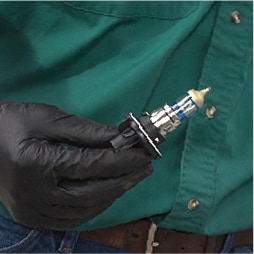
The lifespan of a headlight bulb depends on its construction, how often it’s used, and other factors. Halogen headlight bulbs often last roughly 1000 operating hours, while high-intensity discharge (HID) bulbs equipped on many modern vehicles can work for up to 10,000 hours in some cases. Factors such as physical damage, incorrect installation, or even oils transferred from your fingers to the bulb glass during installation can shorten the lifespan of your headlight bulbs. Make sure to be cautious when changing your headlight bulbs to ensure the longest possible life.
Even if your bulbs are still working, a failing halogen headlight bulb may begin to dim long before it burns out completely. This can result in a loss of down-road visibility – up to 50 feet – which may limit your ability to see the road so gradually you might not even realize it is happening at first. Inspecting your headlights regularly can help you gauge their brightness and recognize when it’s time to get new bulbs. If it seems like they’ve gotten dimmer or you can’t see as far down the road as you once could, it’s likely time to replace the bulbs.
Bad headlights can significantly impede visibility, putting both the driver and others at risk. Dim, malfunctioning, or misaligned headlights can make it difficult to see the road, obstacles, or other vehicles, increasing the likelihood of accidents and collisions.
If you notice any of the following signs of bad headlights, inspect and replace your headlight bulbs as needed to maintain your safety on the road.
Dimming or Flickering Headlights
Dim headlights can significantly reduce your visibility, making it difficult to see the road and potential hazards. If your headlights are dimming or flickering, it could be due to a bad bulb, a loose connection or damaged bulb socket, or an electrical issue. Noticeably dimmer headlights may indicate it's time to replace the bulbs. If the headlight bulbs have been replaced and still seem dim, it may indicate other problems that could require professional diagnosis.
With normal use, wear, and time, it’s typical for headlight brightness to decrease, compromising your night time visibility. Foggy or cloudy headlight lens assemblies can also cause headlights to appear dim. You can get the headlight restoration kit you need at O’Reilly Auto Parts, and learn more about how to fix dim headlights a in our How-To Hub.
Difficulty Seeing the Road at Night
If you struggle to see clearly at night or in adverse weather conditions, this could be a sign of failing headlight bulbs. Whether they are too dim, flickering, or have burned out entirely, addressing the issue is essential for your safety.
Yellow or Hazy Headlights
Oxidation can cause headlights to become yellow or hazy, reducing their effectiveness. Once you discern if it’s your bulbs or the headlight assembly showing signs of oxidation, it’s recommended that you replace your headlight bulbs to restore their clarity and brightness. There are a variety of headlight types that may also produce different hues of light, from yellow to bright white, and upgrading to a better headlight bulb can help noticeably improve your visibility. You can learn more about choosing the best headlight bulbs with our informative video.
Blown Fuses & Electrical Issues
Frequently blown fuses or electrical problems related to your headlights are clear signs of trouble. These issues may stem from faulty or damaged wiring, a failing relay, or a malfunctioning headlight switch. Ignoring these warning signs could lead to complete headlight failure, putting you and others at risk. Learn what causes fuses to blow to prevent an electrical failure in your vehicle’s lighting system, and address any electrical issues with your headlights as soon as possible.
Inconsistent Low-beams or High-Beam Performance
If your low-beams or high-beams are not performing, it could indicate a problem with the bulb, wiring, or the headlight switch. Both low-beams and high beams need to function properly for optimal visibility in various driving conditions.
Most headlight bulbs have two separate filaments: one that operates the low-beam, and a separate one for the high-beam. In other cases, your vehicle may have two separate bulbs that independently perform these functions. Regular inspection of your headlight bulbs can help you determine when the low- or high-beams have stopped working as they should so that you can perform an appropriate repair. It’s also typically recommended that bulbs be replaced in pairs, since both bulbs are likely the same age and have experienced the same amount of wear and use over their life.
If you're experiencing any of these signs of bad headlights, it's recommended that you replace the headlight bulbs or have your headlights inspected and repaired by a professional. At O'Reilly Auto Parts, we offer a wide range of high-quality headlight bulbs, sockets, headlight switches, and more to help you maintain optimal visibility on the road.
Our stores also offer free headlight bulb installation with purchase on select models, though it is important to note that some vehicles require extensive disassembly or other difficult installation that may exempt them from this service. Learn more about free bulb installation or visit your local store for details.
Properly functioning headlights are vital for safe driving, and you can be ticketed by law enforcement if your headlight bulbs are not working as they should. It is not recommended that you drive with bad headlights, as malfunctioning or faulty headlights can negatively affect your driving experience and visibility, and compromise the safety of others on the road.
In addition to reducing your visibility, faulty headlights make it harder for other drivers to see your vehicle, especially in low-light conditions or during inclement weather like rain or fog. It’s best to address any headlight issues promptly and before driving in low-light conditions to ensure consistent, clear visibility.
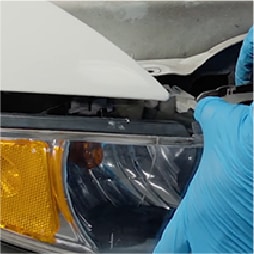
By regularly checking your headlights and promptly replacing any faulty or damaged bulbs, you can maintain visibility and ensure a safer driving experience. If you’re replacing your headlight bulbs or headlight assembly, be sure to consult your vehicle’s owners manual for exact replacement specifics and component locations.
We’re here to help keep you driving safely with parts, tools, and information from O’Reilly Auto Parts. Visit our How-To Hub for topics like the differences between HID and LED bulbs, how to fix dim headlights, and even vehicle-specific lighting repair videos to perform a complete, confident headlight repair.