Warning Sorry, you're using a web browser that is no longer supported. For the best experience please upgrade or visit the site on another browser.
Skip to content
Man inspecting a car engine under the hood while troubleshooting possible starter issues. Man inspecting a car engine under the hood while troubleshooting possible starter issues.

Symptoms of a Bad Car Starter

The most common symptoms of a bad car starter include clicking sounds, grinding noises, intermittent starting, or no engine response even when other electrical systems are working. A faulty car starter may seem to become weak, or may take several key cycles to activate, and these are warning signs before complete failure. This gives drivers time to diagnose the issue before their vehicle is stranded. Understanding the symptoms of starter failure can help you decide when to stop driving and seek testing or make a repair.

In this guide, you’ll learn the most common signs of a failing car starter, what they sound like in real life, and how O’Reilly Auto Parts can help you pinpoint the problem.


The Role of the Starter in Your Vehicle

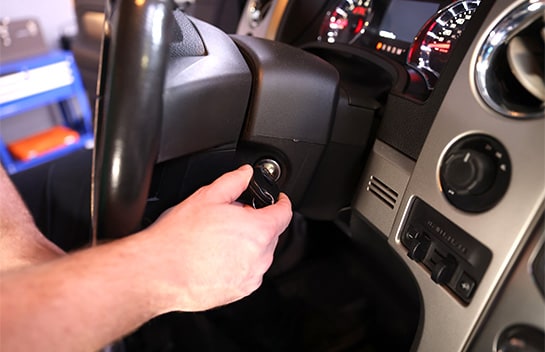
A driver attempting to turn the ignition key in a vehicle's steering column, experiencing a car won't start due to a bad starter solenoid or ignition switch failure.

The starter is an electric motor that cranks the engine to begin combustion. While the car battery supplies power to the starter, the starter motor physically turns the engine’s crankshaft, generating compression and combustion so it can run on its own. Once the engine is started and the key is released, the starter disengages from the flywheel or flexplate to prevent damage to the geared teeth. When the starter begins to fail, the engine may crank slowly, or not crank at all — even though lights, radio, and accessories appear to be working normally.

Recognizing early bad starter motor symptoms helps prevent repeated failed starts that can strain other parts of the starting system. O’Reilly Auto Parts offers free starter and alternator testing services, so you can quickly determine whether the starter is the issue and get expert guidance on the next steps. This service is available on the vehicle, but a bench test can also be performed if you bring the starter in to your local O’Reilly Auto Parts.

Early Warning Signs of Starter Failure

Starter problems don’t always appear all at once. Some vehicles show subtle changes long before the starter stops working completely. Paying attention to how your vehicle behaves during startup is the best way to identify faulty car starter symptoms early.

No Engine Crank With Electrical Power Present

If dashboard lights, headlights, or infotainment systems turn on but the engine doesn’t crank, this is a classic symptom of a bad starter. In these situations, the car starter is often failing to engage the flywheel or flexplate, or is too weak to turn the engine, even though power is available.

Clicking Sounds During Startup Attempts

A single click or rapid clicking noise is one of the most recognizable signs of a bad starter. This usually indicates that the starter solenoid is receiving power but cannot fully activate the motor.

Clicking sounds can also be related to a weak or discharged battery, damaged or corroded battery terminals, or other connection issues. If clicking continues even after attempting a jump start, the issue is more likely related to the engine starter than the battery. It may still be a good idea to inspect battery terminals and cables for damage or corrosion, or have your battery tested and/or recharged at your local O’Reilly Auto Parts for free.

Grinding Noise When Starting the Engine

Grinding sounds point to a mechanical engagement problem between the starter gear and the flywheel or flexplate. This is one of the more serious bad starter motor symptoms and should not be ignored.

Continued grinding can cause damage to the flywheel or starter gear, increasing the scope of repair. If the starter only grinds when starting, this indicates poor engagement between the geared surfaces, but continued grinding after starting may indicate that the starter shaft is hanging up and not fully retracting.

Intermittent Starting Behavior

If the vehicle starts sometimes but not others — without a consistent pattern — internal components inside the starter may be worn or failing.

Intermittent performance is a common early-stage symptom of a bad car starter and often appears before total failure. In some cases, and if you have access, striking the starter case with a rubber hammer or even your hand may allow it to make enough contact between the internal windings to start your vehicle in an emergency. This should, of course, be a short-term solution, and a starter replacement should be prioritized.

Starter Spins Without Engaging the Engine

A whirring or spinning sound without engine cranking means the starter motor is running but not engaging the flywheel. This is a mechanical failure and a clear faulty car starter symptom. Most frequently, this is related to the internal windings not extending the starter shaft or bendix, allowing the starter to rotate without contacting the engine.

Starter Noise Continues After the Engine Starts

Once the engine is running, the starter should disengage immediately. If starter noise continues briefly after startup, the solenoid or starter shaft may be sticking.

This sign of a bad starter should be addressed promptly to prevent damage to surrounding components, including the flywheel or flexplate and the starter gear.

Smoke or Burning Odors During Startup

Smoke or a burning smell during startup attempts is a critical safety warning. This can indicate overheating wiring or excessive electrical resistance in the starter circuit.

If this occurs, do not continue to attempt to start the vehicle and prepare for your starter repair, or seek professional assistance immediately.



Differentiating Starter Issues From Battery Problems

Symptom or Behavior Starter-Related Issue Battery-Related Issue
Dashboard lights and electronics Lights and electronics operate normally Lights may be dim or flicker
Sound during startup Clicking, grinding, or spinning sounds Little to no sound, or slow cranking
Engine response No engine crank despite available power Engine cranks slowly or struggles
Electrical performance Accessories continue to work as expected Electronics lose power or shut off
Likelihood of jump start helping Jump start usually does not help Jump start allows starting

O’Reilly Auto Parts offers free car battery testing to help rule out battery concerns before focusing on repairs or replacement of the car starter.

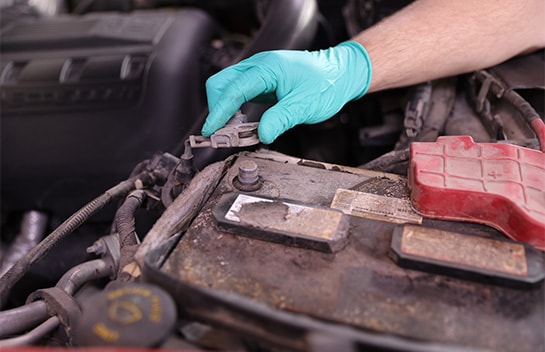
Close-up of a person wearing a green nitrile glove disconnecting a terminal from a dusty, corroded car battery under a vehicle hood.

Recommended Next Steps When Starter Symptoms Appear

Limit Repeated Start Attempts

Repeated attempts can overheat electrical components and worsen starter damage.

Inspect Battery Connections

Loose or corroded terminals can mimic symptoms of a bad starter, so checking connections is an important first step.

Pay Attention to Sounds

The type of noise you hear — clicking, grinding, or spinning — provides valuable clues about engine starter condition.


Frequently Asked Questions

Can a bad starter cause a car not to start even if the battery is good?

Yes. One of the most common symptoms of a bad car starter is a no-start condition despite working lights and electronics or even a battery that tests good and is appropriately charged.

What does a bad starter sound like?

A failing starter may produce clicking, grinding, or spinning sounds without the engine turning over. These are classic signs of a bad starter.

Is it safe to drive with a failing starter?

A failing engine starter can leave you stranded without warning, but once the vehicle is running, it can be driven since the starter will no longer be used until it is turned off again. Intermittent symptoms often mean the starter may stop working entirely at any time, which could leave you stranded if you choose to drive with a failing starter.

Can starter problems damage other parts of the vehicle?

Yes. Grinding or delayed disengagement can damage the flywheel or flexplate and place added strain on the electrical system if ignored.


Get Help Diagnosing Starter Problems at O’Reilly Auto Parts

Noticing early symptoms of a bad car starter or other signs of a bad starter means you can address the problem before it leaves you stranded. Visit O’Reilly Auto Parts for free car battery testing and free alternator and car starter testing, expert advice, and guidance on finding the right replacement starter for your vehicle. Get the help you need to keep your car starting reliably with the parts, service, and advice available at your local O’Reilly Auto Parts.


Additional Resources