Warning Sorry, you're using a web browser that is no longer supported. For the best experience please upgrade or visit the site on another browser.
Skip to content

Signs of a Bad Car Alternator: How to Tell If Your Alternator Is Failing

Signs of a bad car alternator often include dimming headlights, warning lights, electrical problems, and repeated dead batteries while driving. When an alternator begins to fail, it can no longer keep the battery charged or supply steady power to your vehicle’s electrical systems, which may lead to stalling or a no-start condition.

At O’Reilly Auto Parts, you can get a free alternator and starter testing service to confirm alternator problems and identify the right next steps.


What Does an Alternator Do in a Car?

The car’s alternator is the core of your vehicle’s charging system. Once the engine is running, it generates electricity to power essential systems and keeps the battery charged.

  • Supplies power to headlights, dashboard displays, infotainment, and climate control systems
  • Supports safety and engine management systems, including providing power for ignition
  • Recharges the battery after the vehicle starts to ensure it’s ready for the next start
  • Maintains stable system voltage while driving, preventing erratic performance of electrical systems

Without a properly functioning car alternator, even a healthy car battery will eventually lose charge. In situations where the alternator is overcharging, the battery may even suffer overheating and damage. The team at O’Reilly Auto Parts can help confirm whether your car’s alternator or the car battery is causing the issue, and help you find the best parts to make your repair.


How a Car Alternator Works

up close alternator wiring

Understanding how an alternator works makes it easier to recognize signs that your alternator is failing.

  • The engine spins a belt connected to the alternator pulley
  • The pulley turns the alternator rotor inside the stator, producing alternating current (AC)
  • A rectifier converts AC power into direct current (DC)
  • A voltage regulator controls output to protect vehicle electronics and the battery

Key components of an alternator include the rotor, stator, voltage regulator, rectifier or diode pack, bearings, brushes, cooling fan, and drive pulley. When one of these parts begins to fail, bad alternator symptoms can appear across multiple systems at once. Recognizing these symptoms before you begin your diagnosis can help narrow down the source of the problem.

Signs of a Bad Car Alternator

Recognizing signs that a car alternator is failing early on can help prevent a sudden breakdown. Key indicators include:

Dimming or Flickering Lights

Headlights that dim at idle and brighten with engine speed are one of the most common bad alternator symptoms. Interior lights or dashboard illumination may also fluctuate, and this is often a sign of a failing voltage regulator or underperforming alternator.

Battery or Charging Warning Light

A battery or charging system light that flickers or stays on usually indicates unstable system voltage, a typical indicator of a bad alternator. This could also be caused by a worn or damaged battery, corroded or failing battery terminals or cables, and other parts, so ensure a complete diagnosis.

Electrical Accessories Acting Erratically

Slow power windows, infotainment or stereo system resets, changing fan speeds, or erratic gauge behavior are common bad alternator symptoms caused by inconsistent electrical output.

Unusual Noises From the Alternator Area

  1. Squealing may point to a slipping belt or seized alternator shaft
  2. Grinding or rumbling can indicate worn bearings
  3. Whining that changes with engine speed may signal internal electrical or mechanical issues

Frequently Dead Car Battery

If your vehicle starts after a jump or charge but the battery repeatedly goes dead after driving, the alternator may not be maintaining charge. This is one of the most common failing car alternator signs, and depending on how far you drive, could even cause the vehicle to stall due to a lack of power to the ignition system.

Engine Stalling or Rough Running

As alternator output drops, the battery becomes the sole power source. Since the battery only stores power and relies on the alternator to recharge, once it can no longer support ignition and fuel systems, the engine may stall or fail to restart.


Alternator vs. Battery Problems: How to Tell the Difference

Many drivers ask how to tell if your alternator is bad or if the battery is the problem. While symptoms can overlap, certain patterns help separate the two.

Symptom More Likely Battery More Likely Alternator
Slow cranking after sitting Yes Less likely
Vehicle starts, then dies while driving No Yes
Lights dim while driving No Yes
Charging warning light on Less Likely Yes
Battery won’t stay charged Yes Less Likely

A visual inspection of the belt, battery terminals, and ground connections can help, but the fastest way to know for sure is through free car battery and charging system testing at O’Reilly Auto Parts.


How to Check a Car Alternator

using a multimeter on an alternator under the hood of a car

If you’re wondering how to check car alternator performance, a simple voltage test can provide useful insight.

  • Engine off: Battery voltage typically reads about 12.4–12.7 volts
  • Engine running: Charging voltage should generally read between 13.5 and 14.8 volts

Low or unstable readings support signs of a bad alternator. For additional confidence, O’Reilly Auto Parts offers free alternator and starter testing services.

How to Replace a Car Alternator

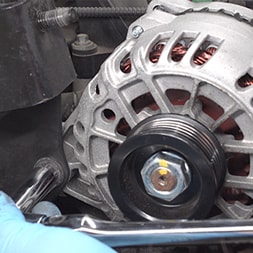
in the act of removing the wiring on an alternator under the hood

If your alternator needs replacement, follow these key steps to ensure proper installation:

  • Choose an alternator that matches your vehicle’s specifications
  • Inspect the drive belt and tensioner, replacing them if they show signs of wear
  • After installation, confirm the alternator is producing proper charging output

The team at O’Reilly Auto Parts can help you select the correct alternator, walk you through how to replace a car alternator, and make sure you have the right tools for the job. For a more detailed walkthrough, visit our How To Hub article on how to replace a car alternator.

Frequently Asked Questions

What causes a car alternator to fail?

Alternators can fail due to internal wear, heat exposure, fluid contamination, worn bearings, failing brushes, or internal electrical issues. A slipping belt or weak battery can also place added strain on the alternator. O’Reilly Auto Parts charging system testing helps identify contributing factors, not just symptoms.

Can a bad alternator drain a good battery?

Yes. A failing alternator may not regulate voltage correctly, which limits the power sent to the engine during operation and can drain a battery even if the battery itself is functioning properly.

Can alternator problems trigger warning lights unrelated to charging?

Yes. Modern vehicles rely on stable voltage. When alternator output becomes inconsistent, it can trigger warning lights related to engine management, safety systems, or traction control.

Is it safe to keep driving with alternator symptoms?

Driving with symptoms of a bad alternator is not recommended, but if you need to reach a safe location, take steps to reduce electrical demand. Turn off nonessential accessories, lower electrical load as much as possible, and avoid shutting off the engine until you reach your destination, since a failing alternator may prevent the vehicle from restarting.

What helps reduce alternator failure?

Proper vehicle maintenance plays a major role in alternator longevity. Keeping the drive belt in good condition and properly tensioned helps the alternator operate efficiently. Clean, secure battery terminals reduce electrical resistance, while addressing oil or coolant leaks prevents fluid contamination that can damage internal alternator components.


Fix Alternator Problems Before They Leave You Stranded

Alternator issues often develop gradually but can escalate quickly. If you notice warning lights, dimming headlights, electrical problems, or repeated battery issues, early diagnosis is key. Visiting O’Reilly Auto Parts for free car battery testing and charging system testing can help confirm whether you’re dealing with a bad alternator and guide you toward the right solution to keep your vehicle running reliably.


Additional Resources