

High-Temperature Wheel Bearing Grease
High-temperature wheel bearing grease features both high temperature and high-pressure ratings for use on wheel bearings, including disc brake wheel bearings and heavy-duty chassis components.
High-Temperature Greases
Machinery with internal components that reach especially high temperatures will often require grease with high-temperature protection, and are often made with a lithium complex base to withstand higher temperatures and prevent wear.
Low-Temperature Greases
Low-temperature greases most often use anhydrous calcium bases, which work better to resist water contamination and do a better job protecting components in cold environments where vehicles or machinery operate in temperatures below freezing.
High-Pressure Grease
Machinery with internal components under high pressure will require high-pressure greases like moly or heavy-duty grease, often made with lithium or urea bases to withstand high temperatures and pressures to reduce the risk of damage during operation.
Synthetic Grease
Synthetic grease is formulated to protect parts under a wider range of operating conditions. Formulated from a synthetic base, a variety of these grease options are available for chassis components, wheel bearings and U-joints.
Marine Grease
Marine greases are made for marine applications and boat trailers that require lubrication that withstands water contamination and dilution. These greases are often made with anhydrous calcium, calcium sulfonate or lithium complex bases to function in both saltwater and freshwater.
Food-Grade Grease
Food-grade grease is formulated specifically to prevent contamination and illness if it makes incidental contact with food during processing. It must meet strict safety guidelines, and typically requires selection based on exact temperature ranges, operational needs, and proper agency certification.

Manual Grease Guns
Manual grease guns are operated by hand with a pistol grip or a lever, and are generally the most affordable and easiest to use.
Electric Grease Guns
Electric grease guns are operated with the push of a button or trigger, and are most commonly powered by low-voltage rechargeable batteries. These are a great option in situations where the grease gun is used for long periods of time to reduce hand fatigue, but likely aren’t necessary for DIY projects.
Pneumatic Grease Guns
Pneumatic grease guns are also operated with the push of a button or trigger, but are powered by air pressure, which eliminates the downtime for recharging.
Electric and pneumatic grease guns allow for more efficient use and help to reduce fatigue, which make them ideal for environments that are higher-volume or where time is more of a factor.
Grease guns must be filled with grease before use, either by loading the grease gun with grease from a container or using a grease cartridge. Setting up and loading your grease gun properly can help ensure a successful suspension service.


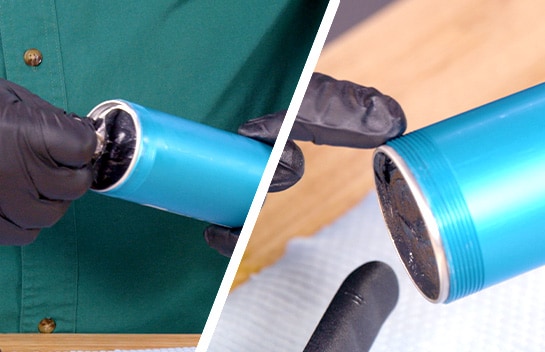
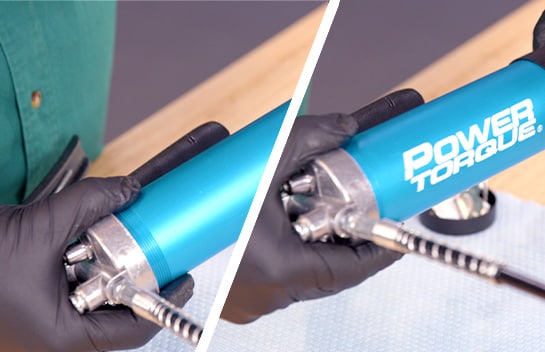
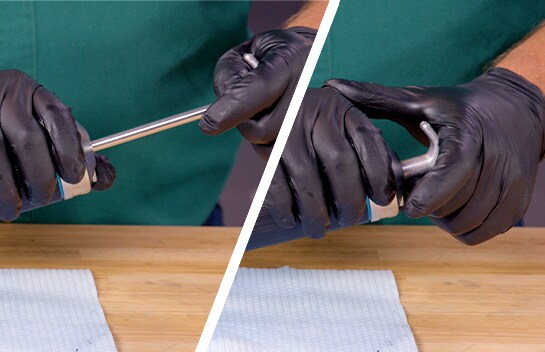

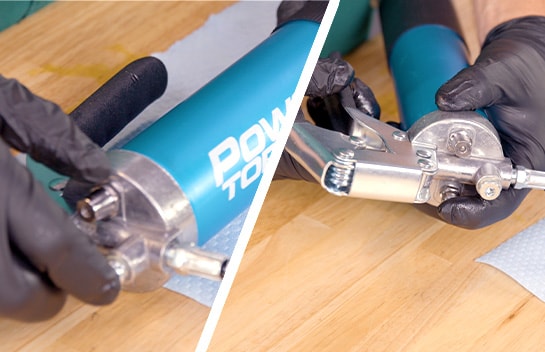
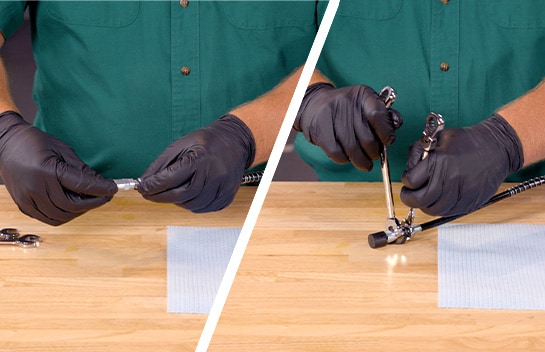
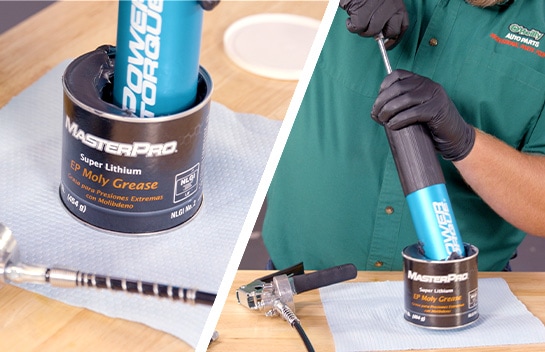


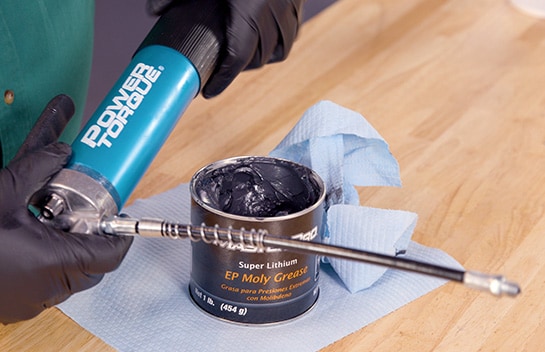
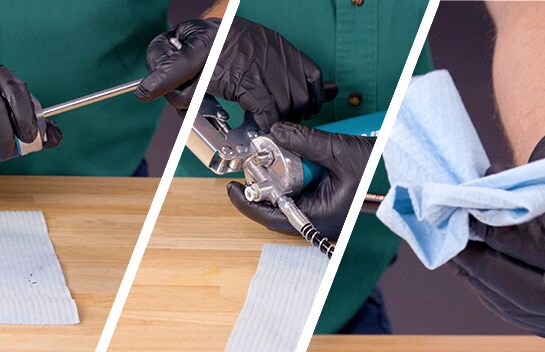


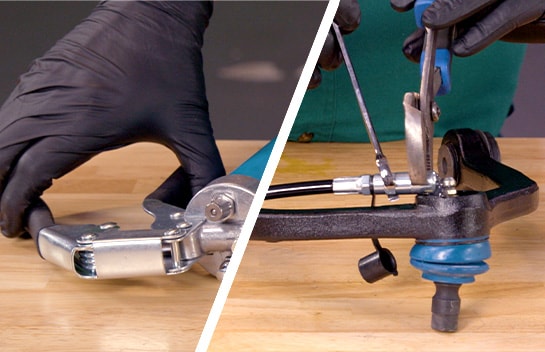

Repeat these steps for each component that needs grease.
- After use, wipe any excess grease buildup or residue from the gun with a shop towel or rag.
- It’s okay to leave the grease cartridge in the gun until it’s time to use again or refill.
- Store the grease gun horizontally to help prevent grease from leaking.
- Keep it away from heat, light and moisture between uses.
Whether you’re looking for a grease for automotive applications, marine vehicle grease, or the right lubricant for your machinery repairs or maintenance, you can find it at O’Reilly Auto Parts. Shop our selection of grease cartridges and bulk greases to find one that best matches your needs. We also carry a variety of grease guns to help you get the job done as easily as possible. If you need to repair your existing grease gun or replace a grease fitting, you can also shop our line of grease fitting replacements.
How do I know if two greases are compatible?
Check the thickener types on the labels and consult a compatibility chart from the grease manufacturer. When uncertain, avoid mixing and purge the old grease completely before changing types.
What’s the best way to avoid over-greasing?
Use consistent stroke counts, watch for fresh purge at relief points, and stop when you see it. For sealed or small-capacity bearings, consult the vehicle or component manual for stroke or volume recommendations.
Why is my coupler leaking or popping off?
Worn coupler jaws, misalignment, or side loading often cause leaks or blow-offs. Replace worn couplers and consider a locking coupler. Support the hose to keep it straight during pumping.
Can I store a grease gun with a cartridge installed?
Yes, but cap the coupler, store it clean, and avoid heat or direct sun. If the gun will sit for a long time, consider relieving spring pressure on the plunger to reduce separation.
How do I fix a grease gun that won’t prime?
Open the bleeder or loosen the head slightly and pump until air escapes and grease flows. Tapping the barrel gently can help air rise. If priming fails, check for a torn seal, collapsed cartridge, or damaged hose.