
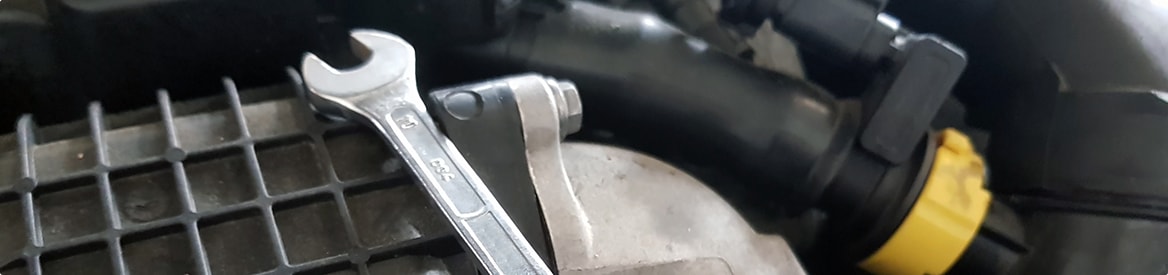
The timing belt on your vehicle ensures that the engine's valves and pistons operate in perfect synchronization. In internal combustion engines, the timing belt connects the crankshaft to the camshaft(s), allowing the camshaft to rotate in sync with the crankshaft while the engine runs. Synchronization between the crankshaft and the camshaft enables the engine’s valves to open and close at the proper times during each cylinder's intake and exhaust cycles. It also prevents interference between the valves and the piston that could cause damage.
Timing belts are typically made of reinforced rubber, and over time, your timing belt can experience wear. Suppose you notice ticking or squealing noises coming from your engine, engine misfires or difficulty starting, an illuminated Check Engine light, rough idling, or oil leaks near the engine. In that case, you may need to inspect your timing belt for wear or damage. It’s important to understand how to recognize the signs of timing belt wear and keep up with regularly scheduled timing belt maintenance as instructed in your vehicle’s owners manual.
Replacing your worn or damaged timing belt, as well as any sprockets, tensioners, guides, and other timing components, can help your engine perform its best and prevent extensive engine damage or failure. Keep reading to learn more about your vehicle’s timing belt and how the timing system works, signs of timing belt wear, and how to diagnose a worn or damaged belt timing belt in this helpful article.
If you discover that you need to replace your vehicle’s timing belt, the Parts Professionals at O’Reilly Auto Parts can also help you find the parts and tools you need to get the job done right. If you’re not comfortable performing this repair on your own, we can also recommend a professional technician in your area.
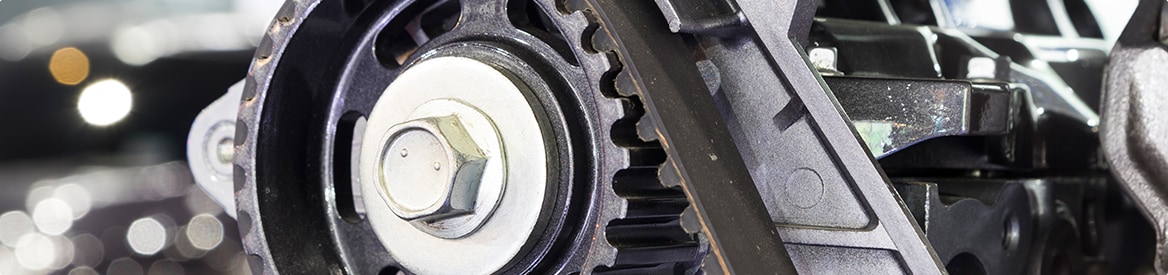
The timing belt on your vehicle is responsible for making sure the engine valves open and close at the correct time in relation to the position of the pistons.Timing belts are made of rubber, often reinforced with nylon, and are designed with grooves that engage with toothed sprockets on the crankshaft and the camshaft to transmit motion and maintain correct rotational timing. Keeping these components in time with one another ensures efficient fuel and air intake, combustion, and the release of exhaust. Each of these functions are critical to maintaining engine performance and efficiency, and ensuring they occur properly can help prevent engine wear and damage.
Timing belts are also responsible for smooth engine operation and prevent rough idling that can occur with improper valve timing. In many cases, the timing belt also drives the water pump, which ensures coolant is circulated throughout the engine and cooling system to prevent overheating. Maintaining the tension of the timing belt, as well as preventing it from contacting other internal engine components that could damage it, is imperative to the longevity of the belt and its performance. In many cases, timing belt replacement also involves replacing sprockets, tensioners, belt guides, and even the water pump to ensure the entire system performs properly.
It's always safer and more cost-effective to replace the timing belt as part of scheduled maintenance, rather than waiting for it to fail. Regularly replacing your timing belt as a part of your routine maintenance means you can:
- Prevent Catastrophic Engine Damage: In interference engines, if the timing belt breaks or slips, the pistons can collide with the valves, causing significant engine damage. This can be expensive to repair and may require an engine rebuild or replacement.
- Maintain Optimal Engine Performance: A worn timing belt can cause poor engine performance, decreased fuel efficiency, and rough idling.
Timing belts usually need to be replaced every 60,000 to 100,000 miles, but this can vary depending on the vehicle's make and model. For more information on when and how to replace your timing belt, take a look at your vehicle’s service manual for the proper procedure. It’s important to follow the steps precisely to ensure that the timing belt and all related components are installed properly and within specification.
The timing belt is essential for engine operation, and servicing the timing belt before it fails can reduce the risk of more extensive and costly repairs. Failing to replace a worn timing belt on time can lead to significant engine damage if the belt breaks, and at best, will disable the vehicle until the belt and related components have been repaired. If you notice any of the following symptoms, it might be time to inspect and replace your timing belt.
Engine Warning Lights: Occasionally, a worn or broken timing belt can trigger a Check Engine light or other dashboard warning lights. If you are experiencing an illuminated warning light along with any of the other following symptoms, you may need to replace your timing belt. If you have an active Check Engine light, you can also ask for O’Reilly VeriScan at any O’Reilly Auto Parts location. You’ll receive a report of any active codes and the most likely fixes to keep your car running at its best.
Engine Misfires or Rough Idling: If your vehicle’s timing belt has experienced wear, or if it is loose or out of alignment, it can cause the engine to run rough, misfire, or stall due to the timing belt skipping teeth or no longer fully engaging the sprockets.
Ticking or Knocking Noises: A damaged or worn out timing belt can cause unusual noises coming from the engine due to excessive slack or lack of tension in the belt.
Engine Won’t Start: Driving with a worn timing belt can cause the engine timing to be out far enough to prevent the engine from starting at all, or can lead to a broken belt. If your timing belt is broken, the engine will fail to start at all because the valves are no longer synchronized with the pistons, preventing air and fuel from reaching the cylinders.
Visible Wear or Cracks: If you inspect your timing belt and can see physical signs of wear, such as cracking, looseness, or fraying, it's time to replace it.
Engine Performance Issues: Loss of power or poor acceleration may indicate that the timing is off, possibly due to a worn out timing belt. Other issues could also cause loss of engine performance, so ensure a full diagnosis before beginning a timing belt replacement.
Visible Oil or Coolant Leaks: Leaks from the timing belt area could indicate a problem with the components that the belt interacts with (like the water pump), which may require a timing belt replacement.
Overheating: If the timing belt drives the water pump on the engine and loses tension over time, it may no longer maintain adequate contact with the water pump pulley. This can result in poor water pump performance and engine overheating.
We hope this article has helped you better understand how your vehicle’s timing belt works and how to recognize symptoms of a failing belt. In order to prevent a broken or significantly damaged timing belt, it’s a good idea to inspect your timing belt regularly, if possible, and to replace the timing belt at or before the interval specified in your owners manual.
Timing belt replacement can be a big job, as it often requires the disassembly of the front of the engine and may require specialty tools. The service manual for your vehicle will outline the appropriate procedure and tools required for a successful timing belt replacement. You can rent some of the specialty tools you might need for your timing belt replacement through the O’Reilly Loaner Tool program to save money on tools you may only need for one job.
If it’s time to replace your timing belt, but you are unable to or unsure how to complete that repair on your own, our parts professionals can also recommend a trusted local repair shop. If you’re ready to replace your timing belt, stop by your local O’Reilly Auto Parts to find the right timing belts, component kits, water pumps, and other parts and tools you’ll need for your timing belt replacement.