Are oiled engine air filters bad for my engine?
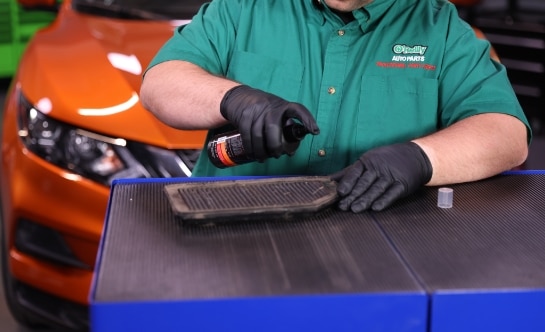
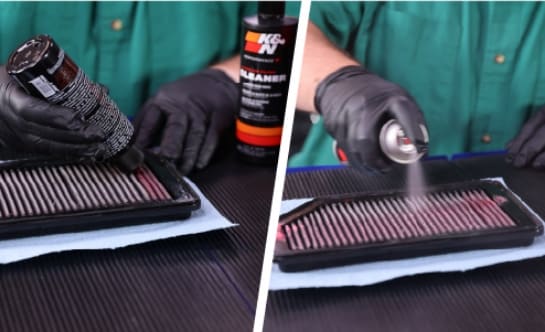
Oiled air filters should not cause any issues with engine performance when they’re installed and maintained correctly. The main risk is over-oiling: excess oil can coat your vehicle's mass air flow (MAF) sensor, throwing off its readings and causing rough idle, hesitation, or a Check Engine light. Applying a thin, even coat and wiping off any excess oil can help prevent this, but if you notice MAF sensor or fuel trim codes after oiling your air filter, consider cleaning your MAF sensor.
How often should I clean a K&N engine air filter?
Under normal highway driving, K&N's drop-in replacement engine air filters last up to 50,000 miles between cleanings, while the larger conical filters used in cold air intake systems can go up to 100,000 miles. Dusty conditions or off-road driving can reduce that interval to as little as 25,000 to 30,000 miles, so be sure to check your filter regularly.
Can an oiled engine air filter improve gas mileage?
Oiled engine air filters don’t significantly improve gas mileage. Although they may boost airflow, modern computerized engines automatically adjust fuel delivery to match the increased air, making any improvements in fuel efficiency negligible or unnoticeable. However, oiled air filters can enhance engine performance. The increased airflow helps your engine breathe easier, supporting better throttle response and acceleration.
How much horsepower does an oiled engine air filter add?
An oiled engine air filter typically adds 1% to 4% more horsepower, which is often negligible in testing. The bigger performance improvements from cold air intake systems come from more than the air filter. They also include larger pipes and a bigger airbox, which work together to improve airflow and overall engine efficiency.
What happens if my engine air filter doesn't seal properly?
If the filter doesn't seat correctly in its housing, air can bypass it entirely through the gap and enter your engine unfiltered, which may allow dirt and debris into the engine and lead to damage or premature wear. Inspect the housing and seal for cracks or damage every time you remove the filter, and make sure it's fully seated before closing the housing.

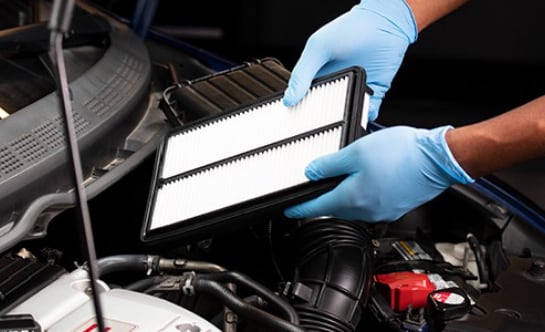
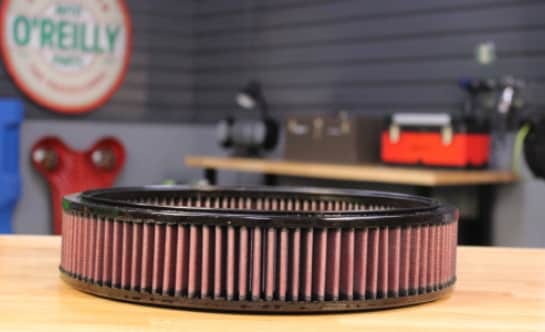
 Engine Air Filter
 Air Filter Service Kit
 Safety Glasses
 Safety Gloves