Warning Sorry, you're using a web browser that is no longer supported. For the best experience please upgrade or visit the site on another browser.
Skip to content

How to Use a Tie Rod or Pitman Arm Puller | Loaner Tool Program

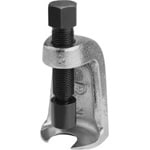
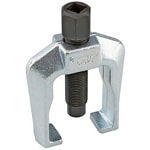
Tie rod pullers and pitman arm separators – also known as “puller” type separators – are often less likely to tear rubber dust boots than “pickle fork” wedge separators, in instances where that part isn’t being replaced. Pitman arm and tie rod separators are part of over eighty tools we have available in our Loaner Tool Program. The Loaner Tool program can help you save money on your repairs; just pay a deposit equal to the cost of the tool, and we’ll return your full deposit when you return the tool to the store.

Tools & Materials

Step-By-Step Instructions to Use a Pitman Arm or Tie Rod Puller

The pitman arm/tie rod puller procedure below applies to most vehicles, but be sure to know the specifics for the repair you’re performing before getting started. If you’re not comfortable safely completing this procedure on your own, we’d be happy to recommend a professional technician in your area.
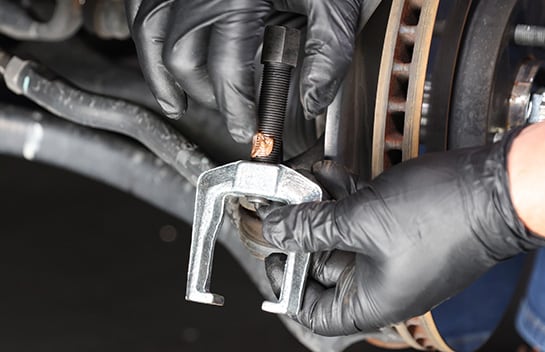

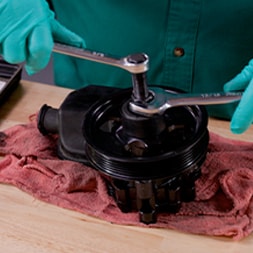
Lubricate the pressure screw.

Step 1: Lubricate the Pressure Screw
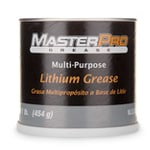
Once you’ve removed the necessary components to access the ball joint or pitman arm, lubricate the pressure screw.
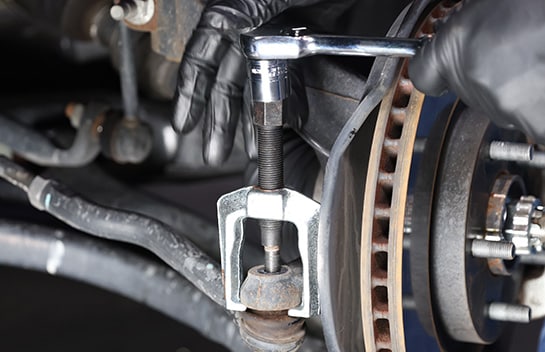
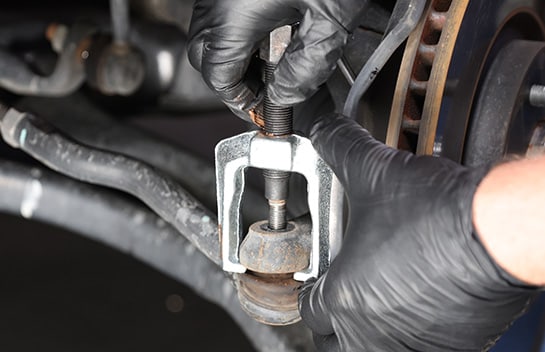
Position the legs of the puller over the pitman arm or tie rod.

Step 2: Position the Tool

Remove the fastener nut securing the pitman arm or tie rod and slide the legs of the puller over it.
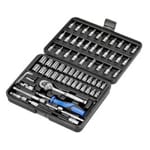
Use a 17mm or 11/16” socket or wrench to turn the pressure screw and press the pitman arm or tie rod off.

Step 3: Turn the Pressure Screw

Line up the pressure screw with the depression on the pitman arm or tie rod shaft, and use a 17mm or 11/16” wrench to tighten it. This should press the tie rod or pitman arm off, but in some cases, impact pressure may still be needed to completely separate the joint.

Additional Resources

The automotive repair work depicted in this series is performed under the direction of the manufacturer of the product featured. Prior to undertaking any of the demonstrated repairs on your vehicle, we suggest you consult with a certified mechanic or another professional who can adequately advise you of the proper repair or remedy required. O’Reilly Automotive Stores, Inc. and its affiliates (“O’Reilly”) disclaims any responsibility for injury or damage resulting from a viewer’s attempt to recreate the repairs shown in this series.