Warning Sorry, you're using a web browser that is no longer supported. For the best experience please upgrade or visit the site on another browser.
Skip to content

As winter comes to a close and warmer days are near, it’s a good idea to get your RV or camper ready for road trip season. After being stored all winter, de-winterizing your RV before you hit the road is important to ensure it is ready to perform its best on all of your adventures. If you’re not sure where to start, take a look at our summer prep checklist for your RV. Performing seasonal RV maintenance, cleaning the interior and exterior, and inspecting your appliances and systems are great preventive measures to avoid any breakdowns and problems on the road or at the campsite this summer.

Man inspecting RV tires.

Perform Seasonal Maintenance

Different travel seasons require different types of RV maintenance. As colder months wrap up and spring and summer arrive, RVs tend to be used more often. Before you hit the road, make sure to perform some summer maintenance on your RV.

  • Tire Pressure: After sitting in storage all winter, it’s a good idea to check your RV’s tire pressure to make sure they are all at the recommended psi. If you notice low pressure in any of your tires, air them up and inspect for any leaks or damage.
  • Inspect your RV’s engine and check for any oil leaks or low fluid levels: Make sure to inspect the level and condition of your engine oil, engine coolant, brake fluid, transmission fluid, and windshield washer fluid. If any of these fluid levels are low, or if you notice an illuminated dashboard warning light, make sure to top them off before hitting the road on your first trip of the season. If you notice any leaks or your warning lights are still on after refilling your fluids, you might have a leak.
Cleaning out an RV.

Clean the Interior

If your RV has been stored away all winter, it’s a good idea to deep clean the interior before using it again this spring and summer. We recommend dusting and cleaning off all counters, cabinets or storage spaces, and floors. When cleaning, make sure to inspect for any damaged seals or weatherstripping around doors or windows. It’s also a good time to check for rust, leaks, or cracks that could have formed during the winter. If you notice any damage, now’s a good time to make those repairs before hitting the road this RV season.

RV water system.

Flush the Water System

If you added antifreeze to your water system before winter, flushing and sanitizing your RV’s water system is a crucial part of de-winterizing your RV. The antifreeze in your water system to prevent frozen pipes over the winter needs to be flushed completely out of the system before using the water system again for drinking, cooking, or cleaning. Removing the antifreeze completely during de-winterizing ensures your faucets and pipes work properly for road trip season. Any water left in the pipes over winter can also result in bacteria growth, which can be harmful to your health and your water system.

How to Flush RV Water System

To flush your RV’s water system, start by reconnecting any disconnected water lines for winter and completely drain the fresh water tank. After the tank is drained, refill it with fresh and clean water. Turn on the water pump and open up all of the faucets, letting the water run until it is completely clear. Make sure both hot and cold faucets are open on your sink and shower. To clear antifreeze out of your toilet, flush and refill the toilet multiple times until the water refills clear. After the water is running clear, you can also sanitize your RV’s water system.

Check your owners manual for more information on how to sanitize your water after winter. It’s also recommended to completely drain the black and gray tanks after winter, which hold water from the toilet and the kitchen and bathroom sinks and shower. After flushing your water system, turn the water heater’s valve to the operating position and make sure there are no visible leaks or damage to the system.

RV with the hood up.

Charge and Reinstall the Battery

Your RV’s battery helps run the onboard accessories and power lights and appliances. Without a properly charged battery, you might be stuck on the road with no running water, working lights, and other issues. During winter storage and cold weather, your battery can slowly lose charge due to cold temperatures or ground drains in the electrical system.

Charging your battery fully after months of inactivity ensures that it is ready to use during road trip season, and prevents possible starting issues after winter. If your battery is completely dead and isn’t holding charge, it’s a good idea to replace it before you hit the road. Stop by O’Reilly Auto Parts to find the replacement RV battery you need, and get it installed for free. We also offer free battery testing at every O’Reilly Auto Parts location.

Inspect and Wash the Outside of your RV

Inspect and Wash the Outside of your RV

Cleaning your RV’s exterior after winter is a great way to get ready for warmer months and catch any repairs that should be made before hitting the road this season. Cleaning your RV is also a good way to prevent corrosion, protect your exterior paint and finish, maintain your RV’s appearance, and find any potential repairs or damage.

It’s especially important to clean your RV if you weren’t able to store it inside or under a cover over the winter. Built-up dirt, grime, bird droppings, and winter weather can damage your RV’s paint, metal, or seals. If this damage goes unnoticed and unrepaired, or if you don’t clean any grime or debris off your RV, it may result in rust and corrosion, leaks, staining, or other structural damage.

When you’re ready to clean your RV and get it ready for summer, we recommend starting at the top and working your way down, ending by cleaning and inspecting your tires and wheels. Make sure to clean your windows thoroughly, and inspect for any caulking or seal damage. Find the products you need to wash and clean your RV at O’Reilly Auto Parts.

Inspecting an RV refrigerator

Inspect Appliances

Inspecting your RV’s appliances, heating and air conditioning systems, and safety devices is a good way to be prepared before road trip season starts. Cold temperatures and months of inactivity can cause damage to electrical components, seals, and pipes, which could result in appliances not working properly. It’s a good idea to test all your appliances to ensure they are working properly and check for any damaged pipes, wires, or electrical connections. Appliances that should be checked include:

  • Safety Devices: Make sure your smoke detectors and carbon monoxide detectors are working, and replace the batteries if needed. It’s a good idea to change out the batteries at the start of every road trip season.
  • Furnace and Heater: Turn the furnace on and check for proper ventilation and heating capacity.
  • Refrigerator/Freezer: Inspect the refrigerator and freezer performance and clean out both the refrigerator and freezer. You may also need to clean the coils to ensure these appliances can work properly. Check for any leaks or cooling issues.
  • Stove/Oven: Test all stove burners to check for proper heating and flame ignition. If you have a propane stove and oven in your RV, you must refill your propane tanks before testing.
  • Dishwasher: Run a test cycle after flushing and refilling your fresh water system to check for any leaks or pipe damage from the cold temperatures.
  • Microwave: Plug your microwave in and test it.
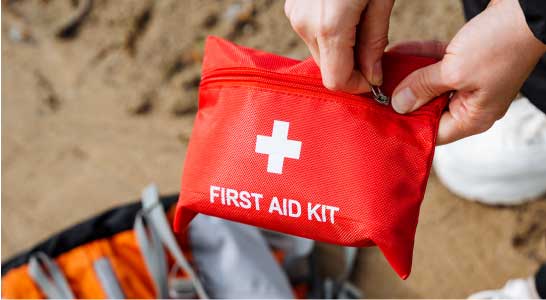
Emergency supplies kit

Restock Essentials

After you’ve cleaned and inspected your RV thoroughly, it’s time to restock the supplies you’ll need for road trip season. Anything can happen when you’re out on the road, including bad weather, breakdowns, or accidents, so make sure to be prepared for whatever may come your way. Check your RV’s emergency and first aid kits. Make sure you are fully stocked on bandages, gauze, antiseptics, gloves, and other first aid essentials. Check your emergency kit and ensure you are stocked on batteries, flashlights, emergency blankets, and other roadside essentials.

If you’re running low, or if you need a new first aid kit, O’Reilly Auto Parts carries compact and easy-to-store first aid and emergency kits that would fit perfectly in your RV. It’s also a good idea to make sure you have jumper cables, motor oil, a tire pressure gauge, a portable tire inflator or air compressor, and a tool kit in your RV for those longer summer road trips. O’Reilly Auto Parts carries all of the essentials you need to restock your RV and get it ready for your next adventure.

Additional Resources