Right to Repair is the legal ideology that consumers should have the right to make repairs themselves to the products they own. When enacted, Right to Repair laws provide consumers and independent repair or automotive shops with manufacturer-recommended information and adequate replacement parts to complete maintenance and repairs. In the automotive space, Right to Repair gives vehicle owners and consumers the right to choose how to make vehicle repairs, whether that includes taking their vehicle to a shop or completing the repairs themselves. This movement also provides independent automotive shops and technicians access to necessary repair information, tools, and vehicle telematics, or data, to complete repairs without having to send customers and their vehicles to a dealership.
Vehicle telematics combines GPS systems, onboard diagnostics, and wireless devices that are used to collect and relay vehicle information, such as maintenance and service requirements, speed and operation metrics, and location. All of the information that the vehicle generates is transmitted back to the vehicle manufacturer. Around 25 gigabytes of data is collected and delivered to the vehicle manufacturer per hour across various systems and operations. This data also includes OBD-II or diagnostic trouble codes and is stored by the manufacturer to be distributed as they see fit. Many manufacturers act as gatekeepers to this data, preventing it from being provided to consumers and independent repair facilities and forcing repairs to be made at their dealership’s automotive shops.
This limits consumers' repair and service options and the type of repairs local shop technicians can make. In many cases, technicians may be in the middle of a repair, but might be unable to complete repairs without the necessary data. This can result in the technician being forced to send the vehicle to the dealership to finish the repair. This not only decreases local shop efficiency, but also increases consumer cost.
Right to Repair gives consumers the right to dictate who has access to their vehicle's data and therefore gives consumers the right to choose how and where their vehicle's service or repairs are performed. -through a means of their choice.- Many original equipment manufacturers (OEMs) want consumers and automotive shops to pay subscriptions for this data, or simply require the vehicle be brought into a dealership’s repair facility in order for this data to be accessed and necessary repairs completed. Right to Repair laws require this information to be given and shared freely between manufacturers, consumers, and independent repair shops, giving the consumer more repair and service options and providing automotive shops and ASE technicians everywhere with the tools they need to keep their doors open.
The Right to Repair movement started in Massachusetts in 2012, when a ballot initiative proposed that consumers and local shops should have equal access to vehicle data through the OBD-II port. That ballot was voted on and approved in 2014. However, as vehicle telematics began to grow and become more advanced, vehicle data was no longer only accessed through the OBD-II port, but also through proprietary metrics acquired by vehicle tracking. In 2020, another ballot was proposed regarding telematics, which won Massachusetts by a majority vote of 80%. But shortly after the ballot was approved, automakers and manufacturers raised the question of cybersecurity threats and sued the Commonwealth of Massachusetts. The judge on that particular case has not made a judgment since 2021, so with the approval of the Massachusetts Attorney General, the Right to Repair movement continues to push forward.
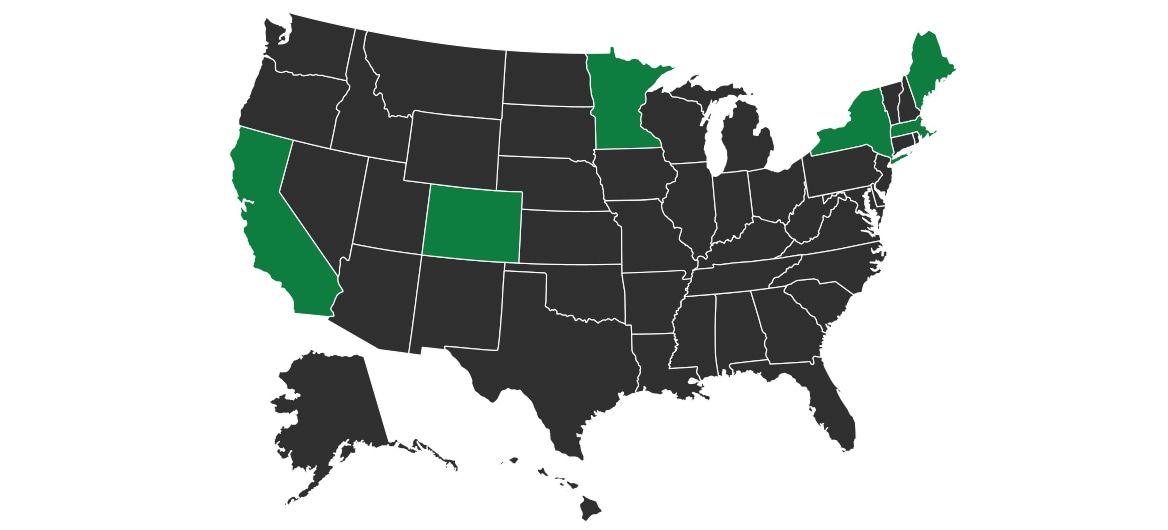
Since then, Right to Repair has made advancements in multiple states, including Maine, Colorado, New York, Minnesota, and California.
Right to Repair is also being considered at the federal level to procure a comprehensive law that can be enforced and followed throughout the United States. This law is called H.R. 906, the Repair Act.
Right to Repair laws preserve consumer freedom to choose and ensure ongoing consumer access to their preferred and trusted automotive shops. This act would allow that consumer to be able to choose where their vehicle's data is being accessed, and who can access it. Right to Repair laws will also ensure access to repair tools and information for DIY mechanics and certified technicians alike. With freedom of choice and more repair options on the table, these laws also prevent automotive manufacturer monopolies from forming. Most importantly, Right to Repair would provide complete transparency for drivers to determine what type of data is being collected, where it is going, and who can access it.
As with any movement, doing your research and spreading the word both in person and online can go a long way in terms of helping Right to Repair move forward. You can also write to your local government and congressional representatives regarding Right to Repair to draw more attention to the support behind this cause. For more information about how to get involved, visit the Right to Repair website.