
September is National Preparedness Month. With cold temperatures and adverse weather conditions around the corner, it’s important to make sure your vehicle is ready. Below are some checkpoints that will help you ensure you’re driving into fall and winter with confidence.
NATIONAL PREPAREDNESS MONTH

Aging or malfunctioning plugs and wires can cause misfires or decreased fuel economy. Spark plugs can last anywhere from 20,000 to 100,000 miles—depending on their quality and materials—and premium spark plug wires can last 60,000 to 70,000 miles.

Faulty belts and hoses can lead to breakdowns and overheated engines. Replace belts that appear frayed, glazed or cracked. Replace hoses that are leaking, brittle, swollen or restricted.

Performing a simple under-hood fluid check can keep your motor running smoothly and reliably. With your car parked on level ground and the engine cold, check your antifreeze, transmission, power steering, and brake fluid levels and top off as necessary.

The heat of summer can be as taxing on a battery as extreme cold. Before winter sets in and battery efficiency drops off, have one of the Parts Professionals at O’Reilly Auto Parts test your battery for free.
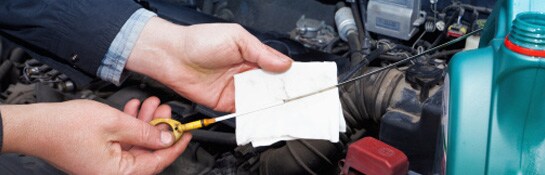
Oil & Oil Filter
Changing your oil & oil filter on a regular basis is essential to the health of your vehicle, keeping the moving parts of your engine clean and lubricated, which reduces friction and helps your engine perform better and last longer.
Shop Motor Oil
Shop Motor Oil

Fuel & Air Filters
Filters keep fuel and air flowing and clean so your car can run efficiently. Replacement intervals for air filters and fuel filters vary between car manufacturers. Always consult your owner’s manual for recommended replacement intervals.

Tires
Tire Tread: Low tire tread is particularly dangerous in wet, snowy or icy conditions. To check your tire tread, put a penny into one of the grooves, with Lincoln’s head upside down. If you can see his whole head, it’s time to replace your tires.
Tire Pressure: Running the correct tire pressure is the single best thing you can do to reduce wear and improve the performance of your tires. When checking and adjusting tire pressure, always consult your owner’s manual. Be careful not to use the "maximum" inflation pressure branded on the tire's sidewall. Shop Tire Pressure Gauge

Visibility
Wiper Blades: Good wiper blades are essential to winter visibility. The sun and heat of summer can do serious damage to wiper blades. If you notice that your blades are cracked, flaking or excessively dry, or if you’re experiencing streaking, skipping or smearing, new wiper blades are a must. Shop Wiper Blades
Bulbs: With the days getting shorter, checking your headlights, taillights, turn signals and fuses will help keep you (and other drivers) safe. If you discover your headlight bulbs are looking dim, replacing them before they burn out is never a bad idea. Shop Bulbs

Faulty brakes can become an expensive problem if allowed to go too long. Have your brake system inspected by a technician immediately if you experience dragging, squealing, grinding, pulling or pulsating while braking.

If you’re experiencing bouncing, nose dives or excessive body sway when cornering, it’s probably time to replace your shocks and struts. If they are worn, they could affect your ability to stop, steer and maintain stability.

Protectants
Before cold weather sets in, it’s a good idea to clean your interior and use protectant wipes as a layer of defense against the changing temperatures. Washing and waxing your vehicle’s exterior is another important part of protecting your car’s appearance and value through the winter weather conditions.

Emergency Kit
Having a few basic emergency items on hand may make the difference between being stranded and making a quick fix and getting back on the road.