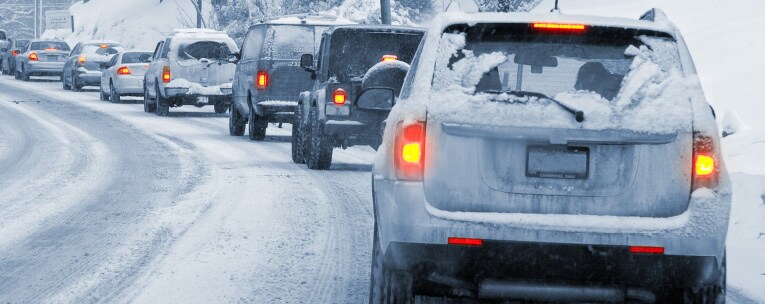
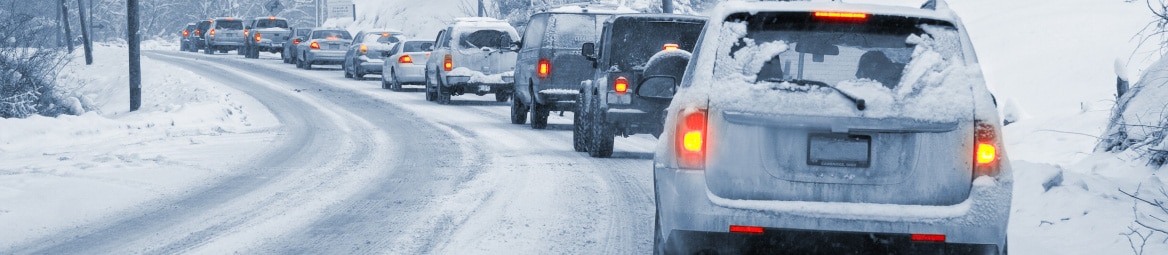
Winter driving brings its own set of challenges, from sudden snow squalls to icy mornings and long stretches of freezing temperatures. Even quick errands can become unpredictable when the weather turns, which is why preparing both your vehicle and yourself is essential.
A thoughtful winter car emergency kit can make a huge difference if you get stuck, lose traction, or face delays in the cold. With the right mix of tools, supplies, and practical planning, you can stay safe and ready for whatever winter decides to throw your way.
At O’Reilly Auto Parts, drivers can find many of the must-have winter car emergency supplies needed to stay prepared before harsh weather hits. But building a kit is only part of the picture. Winter readiness starts with understanding the conditions you might face — and the solutions that actually help when the temperature drops.
Most winter emergencies don’t happen during blizzards. They happen on regular weekday mornings — when a battery finally gives out in the cold, when freezing drizzle coats your windshield in ice, or when a patch of snow on a side street makes escape unexpectedly difficult. A reliable winter weather emergency car kit becomes your backup plan, a small collection of tools that buys you warmth, visibility, traction, and time.
It’s easy to assume winter problems only affect rural or long-distance drivers, but even in busy towns, a dead battery or slick intersection can leave you in a tough spot. Snow also creates visibility issues, slows response times, and makes minor delays feel a lot more serious. That’s why a personal winter survival kit for your car is so valuable — it gives you peace of mind long before you need it.
Every driver’s situation is different, but there are a few categories of winter supplies that make cold-weather emergencies much easier to handle.
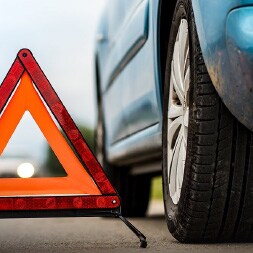
Lighting and visibility tools are some of the most important. A dependable flashlight, extra batteries, or a compact roadside assistance kit makes your vehicle more visible in falling snow or dim winter evenings. Tools like an ice scraper and a soft-bristle or foam snow brush help you clear windows and painted surfaces safely, without scuffing the finish or putting unnecessary pressure on the glass.
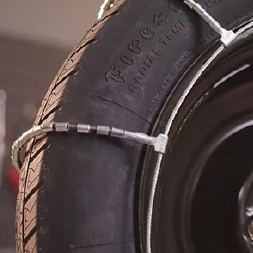
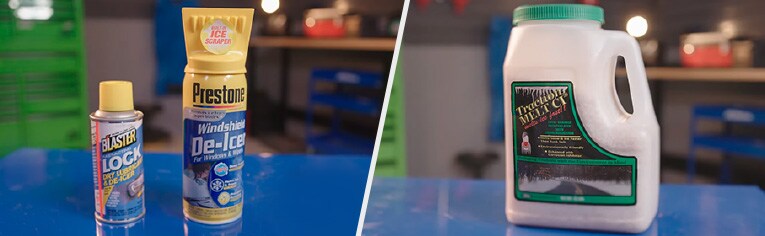
A winter car emergency kit is essential for safe winter travel — especially during road closures, blizzards, or late-night breakdowns. For specific winter driving needs, O’Reilly Auto parts offers essential equipment to help you stay prepared. These items, as shown in the image, include tire chains - cable chains for added traction, a de-icer for visibility, and driveway de-icer & ice melt as well as spray de-icers to combat frozen surfaces. For clearing snow and ice from your vehicle, snow brushes, ice scrapers, and windshield winter covers help maintain visibility and protect your windshield in cold conditions. Powering your vehicle in cold weather is made easier with an engine heater cord and battery heaters. Additionally, an emergency kit containing various tools and supplies is crucial for unforeseen roadside situations.

While a winter kit helps in emergencies, a big part of winter safety comes from preparing your vehicle ahead of time. Batteries lose power in the cold, so testing yours early can prevent a frustrating no-start situation, at O’Reilly Auto Parts we offer free car battery testing services. Many drivers also switch to winter wiper blades and winter-rated washer fluid to keep their windshield clear when temperatures drop.
Checking your tires is equally important. Cold weather can lower tire pressure, and worn tread reduces traction just when you need it most. And because winter salt is hard on paint, a fresh coat of wax or sealant — along with regular washes — helps protect your exterior from corrosion and dulling.
O’Reilly Auto Parts offers free car battery testing, quality wiper blades, winter chemicals, and other seasonal maintenance items that can make winter driving safer and easier.
Clearing snow quickly is tempting, but the wrong tools or techniques can leave behind scratches that last much longer than the storm. Foam snow brushes and soft-bristle designs are gentle on clear coats and reduce the risk of grinding ice or debris into the surface. Plastic scrapers should be used with care and kept away from painted surfaces to prevent damage.
When you’re dealing with stubborn ice, a de-icer spray can help soften the surface so you don’t have to scrape as aggressively. A few extra minutes of patience can protect your paint from the kinds of micro-scratches that become noticeable over time.
How much water and food should I keep in my winter kit?
For most drivers, a few bottles of water and several non-perishable snacks are enough for short delays. If you regularly travel long distances or through rural areas, carry enough for several hours of comfort.
Does every car need traction aids during winter?
Not necessarily, but vehicles with lighter rear ends — like sedans and small SUVs — often benefit from traction mats or a small amount of sand or litter. They’re inexpensive and can make a surprising difference on icy driveways and parking lots.
Are battery jump starters reliable in freezing temperatures?
Cold weather does affect performance, but modern lithium jump starters are designed to work in low temperatures with sufficient strength and cranking amperage to start most vehicles. Keeping a jump starter inside the cabin instead of the trunk helps preserve battery strength and ensures adequate cranking amperage when you need it most.
What’s the best way to store my winter emergency kit so it doesn’t take up too much space?
Most drivers keep bulkier items — like shovels and traction mats — in the trunk, while keeping small, high-use items in a rear seat pocket or under-seat organizer. Bags or bins help keep your supplies together and prevent clutter.
Preparing your car for winter emergencies isn’t just about having a trunk full of gear — it’s about giving yourself confidence every time the temperature drops or the forecast changes. A well-thought-out kit, a little preventive maintenance, and a solid understanding of what winter conditions demand can go a long way toward keeping you safe on the road.
With the right supplies and reliable support from O’Reilly Auto Parts, you’ll be ready to handle cold-weather surprises with less stress and a lot more peace of mind.