
 Safety Glasses
 Gloves
 Tire Pressure Gauge
 Portable Tire Inflator
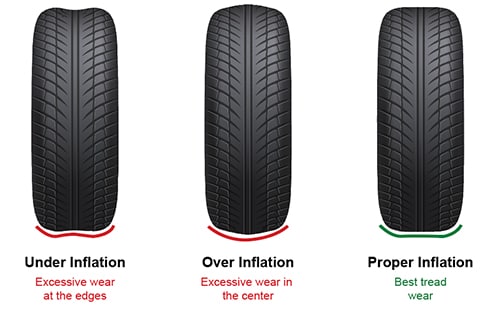
The only safe “low” tire pressure to drive on is one to five pounds below the recommended pressure for your specific tires. Here’s a breakdown of the effects of low tire pressure:
1-10 pounds below recommended pressure:
- Decreased fuel efficiency
- Decreased emergency handling and longer braking time
- Increased and uneven tire wear
- Shorter tire life
1-10 pounds 11-20 pounds below recommended pressure: recommended pressure:
All symptoms above, plus:
- Skidding
- Tires can be punctured more easily
- Flexing side walls at high speeds or in turns
- Fractured or broken tire laminations from heat and flexing
- A disintegrating sidewall that can separate from the tire’s tread
- A worn or low front tire may cause you to lose steering control, and could contribute to an accident
20 or more pounds below recommended pressure:
All symptoms above, plus:
- Tire blowout or bead roll-off

Step 1: Install the Gauge on the Valve Stem

Step 2: Determine Whether It’s the Right Pressure

Step 3: Add Air if Pressure is Low

Step 4: Remove Air if Pressure is High
Step 5: Repeat These Steps for All Tires
Improve gas mileage, decrease wear, and prolong the life of your vehicle’s tires by maintaining the correct tire pressure levels. O’Reilly Auto Parts has informational videos and step-by-step instructions on How To Change A Flat Tire, How To Read Information On Your Tire, and How To Check Tire Tread, as well as the products you need, including analog and digital tire pressure gauges, portable tire inflators, tire sealant, valve stem caps that reflect the tire pressure levels, and more. Whether you are performing vehicle maintenance or have a more dire repair, O’Reilly Auto Parts has the resources, parts, and tools to help you stay safe while driving.
Where can I find my vehicle’s recommended tire pressure?
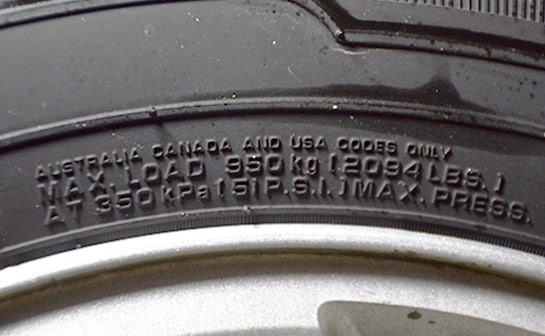
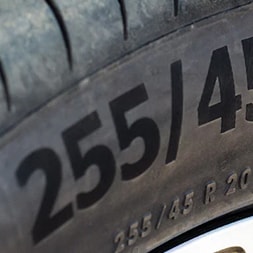
Check your vehicle’s owner’s manual, the driver’s door jamb, or the sidewall of the tire.
Is it dangerous to drive with low tire pressure?
Yes, it can be dangerous to drive with low tire pressure, with results ranging from reduced fuel economy to a tire blowout.
What tools do I need to check my vehicle’s tire pressure?
All you’ll need is a tire pressure gauge. Tire pressure gauges come in three types: pencil-type, dial-type and digital.
What if my tire pressure is too high?
Use the check valve on your tire pressure gauge to release air, or if your gauge doesn’t have a check valve, use a flathead screwdriver to depress the valve stem.

The automotive repair work depicted in this series is performed under the direction of the manufacturer of the product featured. Prior to undertaking any of the demonstrated repairs on your vehicle, we suggest you consult with a certified mechanic or another professional who can adequately advise you of the proper repair or remedy required. O’Reilly Automotive Stores, Inc. and its affiliates (“O’Reilly”) disclaims any responsibility for injury or damage resulting from a viewer’s attempt to recreate the repairs shown in this series.