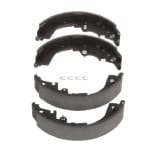
 Brake shoes
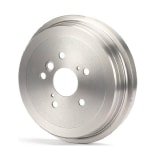 Brake drums
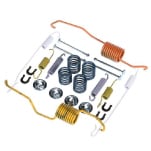 Drum brake hardware
 Safety glasses
 Gloves
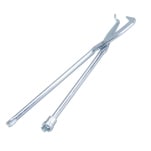 Brake spring tool
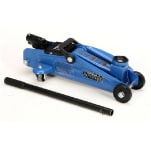 Floor jack
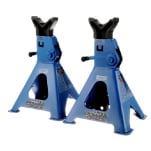 Jack stands
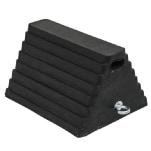 Wheel chocks
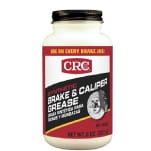 Silicone grease
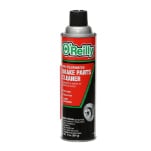 Brake cleaner
 Shop towels
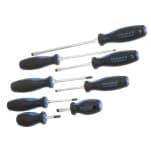 Flathead screwdrivers
 Needle-nose pliers
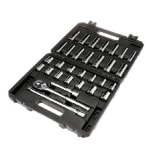 Ratchet & sockets
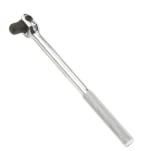 Breaker bar
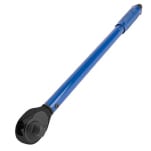 Torque wrench
Follow the simple procedure below to complete the rear brake job on your Tacoma yourself, before your brake shoes and drums wear out to the point of being unsafe or failing completely. These instructions will apply to most 2009, 2010, 2011, 2012, 2013, 2014 and 2015 Toyota Tacoma models. If you’re not completely comfortable doing this yourself, we’d be happy to recommend a professional technician in your area.
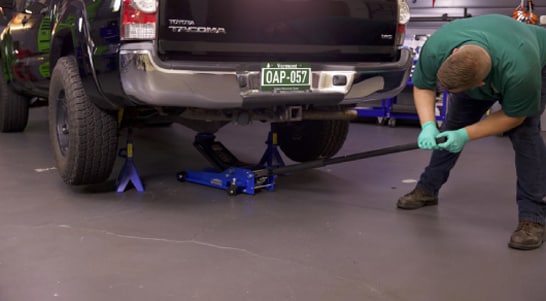
Step 1: Prepare Your Tacoma
Park on a level surface and chock the front wheels. Use a lug wrench or 19mm socket and breaker bar to loosen the lug nuts on the rear wheels. Use a jack and jack stands to lift and support the rear end of the truck, then remove the lug nuts and the rear wheels.
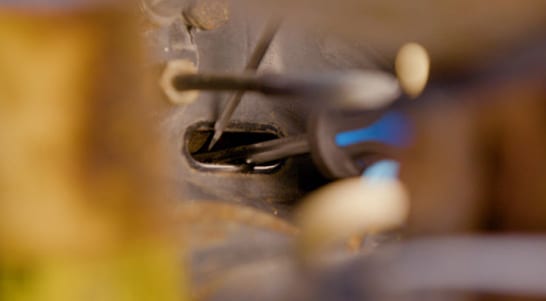
Step 2: Remove the Brake Drum
We’ll gain access to the fuel pump in our Camry by removing the bottom cushion of the back seat. Once you’ve found access to your fuel pump, use a pry tool or long flathead screwdriver to dislodge and remove the cover.
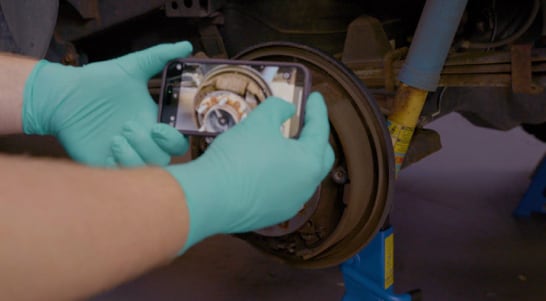
Step 3: Take a Photo of the Brakes
p>It’s a good idea to take a picture of the shoes, springs and other hardware so you’ll have a reference when you put everything back together.
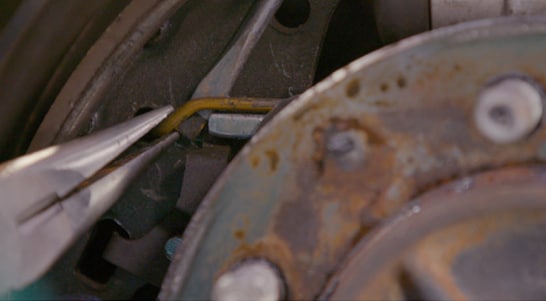
Step 4: Remove the Brake Shoe Return Spring
Use a screwdriver or a brake spring tool to remove the brake shoe return spring from the front brake shoe. Now you can use needle-nose pliers to fully remove the spring.
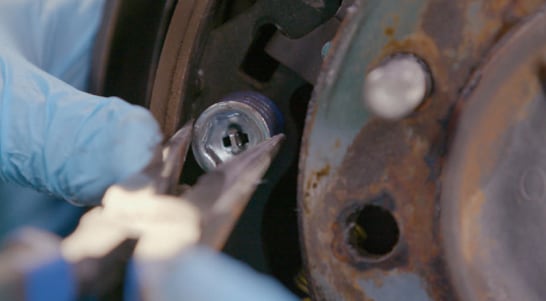
Step 5: Remove the Front Brake Shoe
Using your needle-nose pliers, you can now remove the brake shoe hold-down spring cup, the shoe hold-down spring and retainer pin. Once that’s done, remove the parking brake shoe strut, the tension spring, and the front brake shoe.
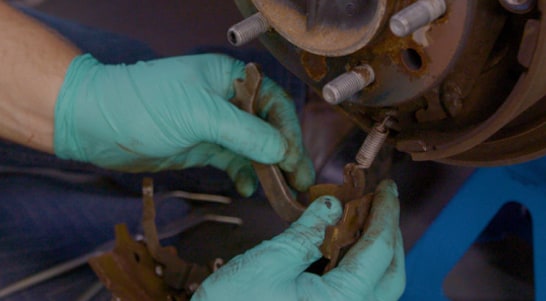
Step 6: Remove Hardware from the Front Shoe
With the brake shoe removed, detach the automatic brake adjust lever spring and adjustment lever.
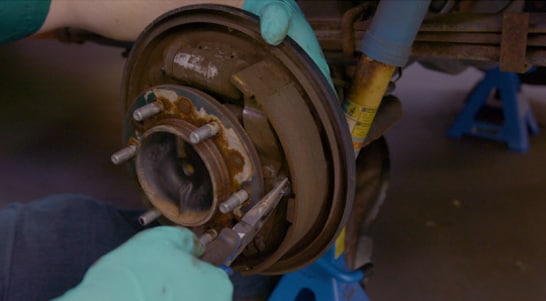
Step 7: Remove Hardware from the Rear Shoe
Now on the rear brake shoe, use your brake spring tool to remove the brake shoe hold-down spring cup, hold-down spring, and retainer pin.
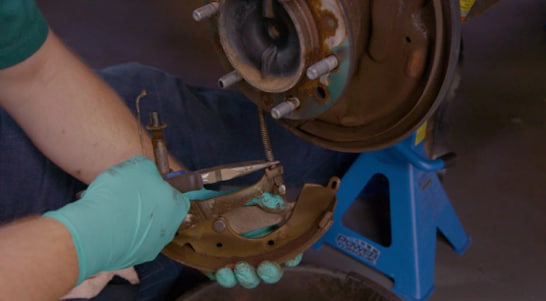
Step 8: Remove the Rear Brake Shoe
Use needle-nose pliers to disconnect the parking brake cable, and remove the rear brake shoe.
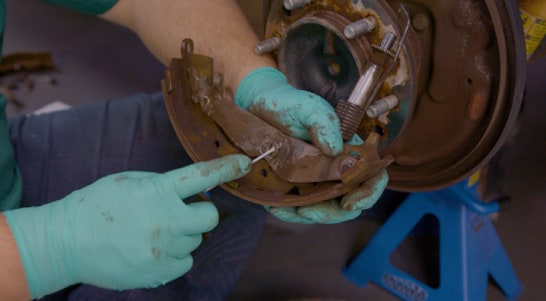
Step 9: Remove Parking Brake Hardware
Once the rear shoe is off the vehicle, use a screwdriver to remove the two C-clips to release the parking brake shoe lever, reaction lever, and parking brake shoe strut. These will be transferred to your new rear brake shoe before reassembly.
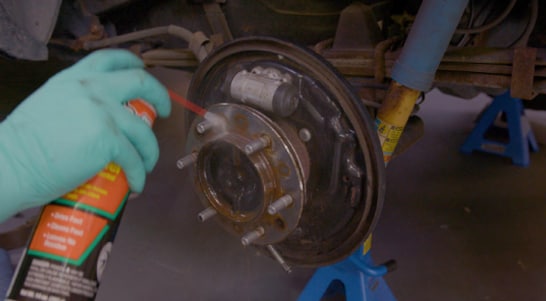
Step 10: Clean the Hub and Backing Plate
Clean the entire work area with brake cleaner and wipe it down with a shop towel or rag to remove any brake dust.
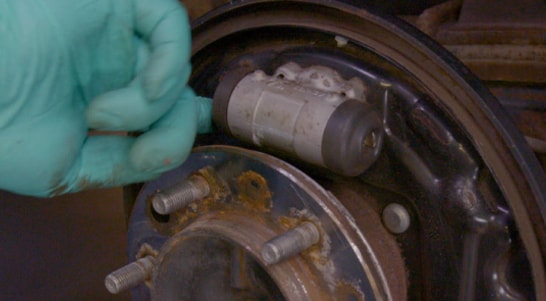
Step 11: Inspect the Wheel Cylinder
Now is also a good opportunity to inspect the wheel cylinder for any signs of brake fluid leaks or damage to its rubber seals. If you see any signs of leaks or significant corrosion, it’s a good idea to replace the wheel cylinder as well.
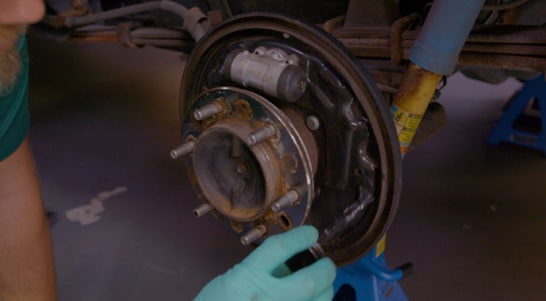
Step 12: Apply Grease to the Backing Plate
Apply high-temperature grease to the surfaces the shoe will contact on the backing plate. You’ll also want to unscrew and grease the brake adjusting bolt.
|
Do It Right: If the adjuster does not thread in and out easily after being greased, it may need to be replaced. |
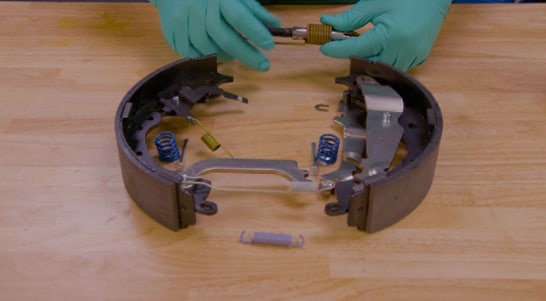
Step 13: Install Hardware on the Rear Brake Shoe
Now on your rear brake shoe, install the parking brake shoe lever, parking brake shoe strut, and the new return spring.
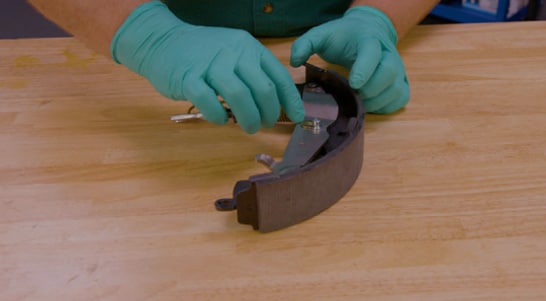
Step 14: Secure Parking Brake Components
You’ll then secure the strut, reaction lever, and parking brake shoe lever using needle-nose pliers and the new C-clips from your hardware kit. Use your needle-nose pliers to connect the parking brake cable to the parking brake shoe lever.
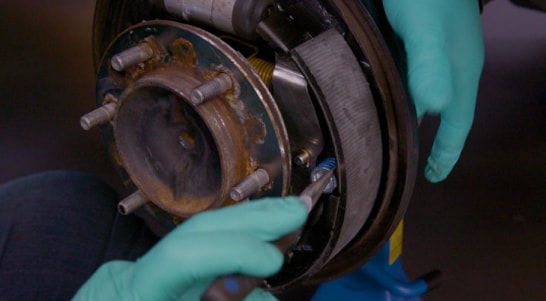
Step 15: Install the New Rear Brake Shoe
Install the rear brake shoe, ensuring it is properly aligned and seated, then use your brake spring tool or needle nose pliers to install the new pin, shoe hold-down spring, and shoe hold-down cup.
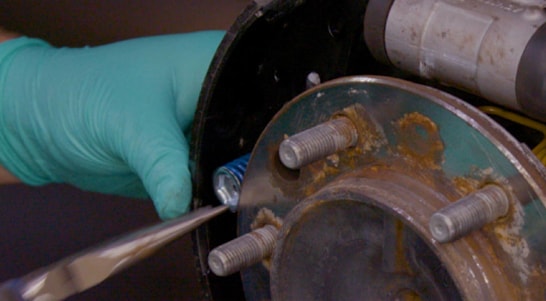
Step 16: Install the New Front Brake Shoe
On the new front brake shoe, install the automatic adjusting lever and spring, and the parking brake shoe strut. Then, move the front brake shoe into alignment and use your brake spring tool or needle nose pliers to install the new retaining pin, shoe hold down spring, and shoe hold down spring cup.
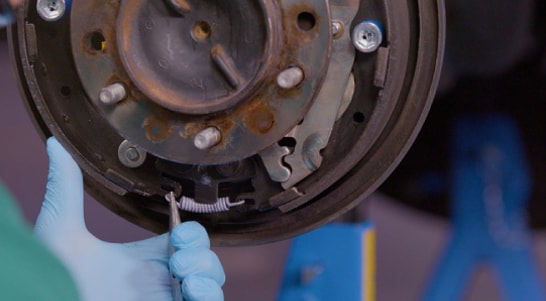
Step 17: Install the Tension Spring
Now you should be ready to install the tension spring that connects the front and rear brake shoes at the bottom with your needle nose pliers.
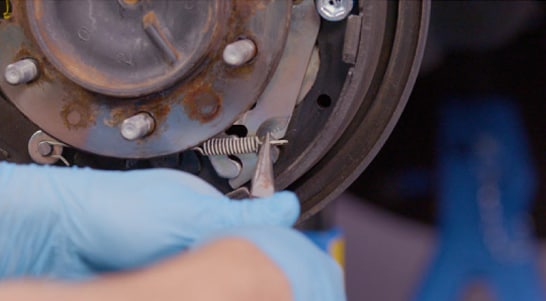
Step 18: Install the Lower Return Spring
Then, use your pliers to install the lower return spring.
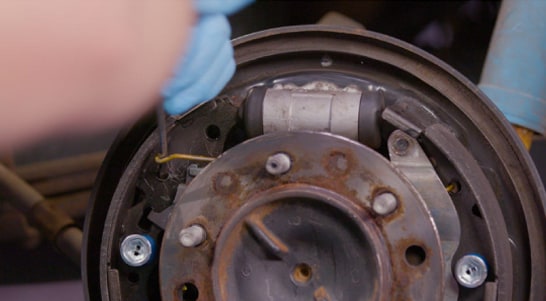
Step 19: Install the Upper Return Spring
The upper return spring will require you to use your brake spring tool, or a screwdriver and needle nose pliers, to connect it to the front brake shoe.
|
Do It Right: If your brake drums are thick enough to be reused and you’ve had them resurfaced, be sure to remove the thin gasket from the back of the drum and clean any corrosion or leftover gasket material from the drum and axle. |
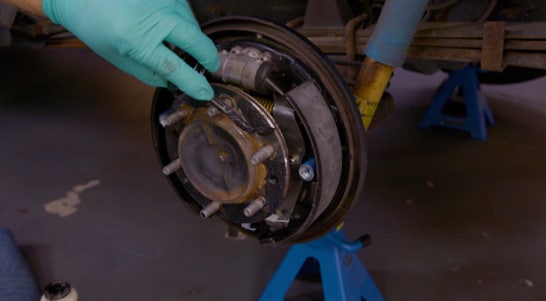
Step 20: Apply Silicone Grease
Apply silicone grease to prevent future corrosion between the drum and the axle.
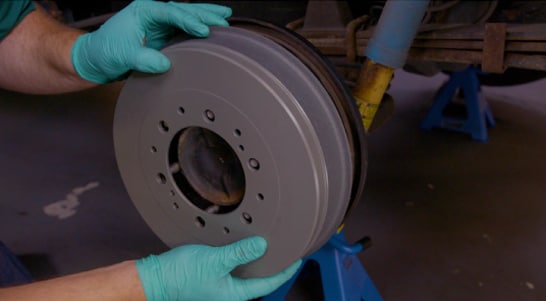
Step 21: Replace or Resurface Your Brake Drums
Most O’Reilly Auto Parts locations have the equipment to resurface brake drums, but will also measure the thickness of the contact surface to ensure that your drums can be safely resurfaced and reused. If not, our parts professionals can help you find the best replacement drums for your Tacoma.
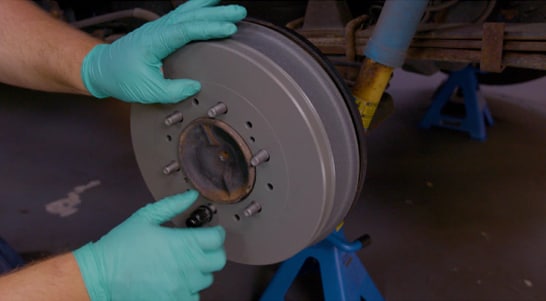
Step 22: Install the Brake Drum
Install your brake drum over the brake shoes. Temporarily install the lug nuts to hold the drum in place during your brake shoe adjustment.
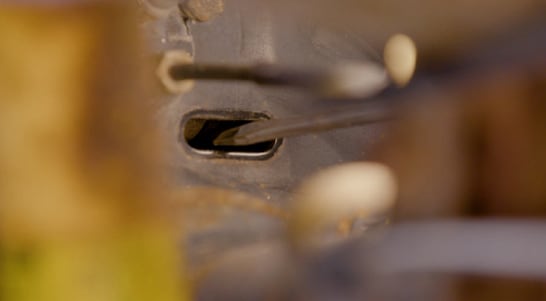
Step 23: Adjust Your Brake Shoes
Through the hole in the rear of the brake backing plate, use a flat blade screwdriver to turn the adjuster star wheel to expand the shoes outward until the drum is locked and can’t be turned by hand. Then, reverse the adjuster wheel 15 notches, and you should have an appropriate base setting for your new brake shoes. Be sure to install a new hole plug.
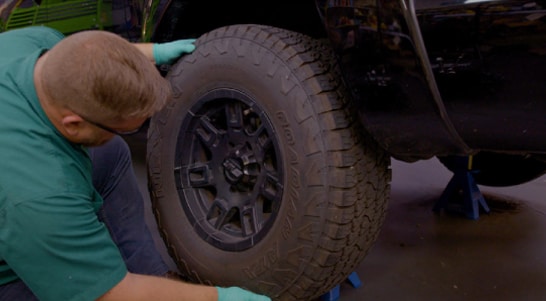
Step 24: Reinstall Your Wheels
Reinstall your wheel and lug nuts. Tighten the nuts until the wheel is firmly secure.
|
Do It Right: Brake shoes and drums should almost always be replaced in pairs, so repeat these steps on the other side. |
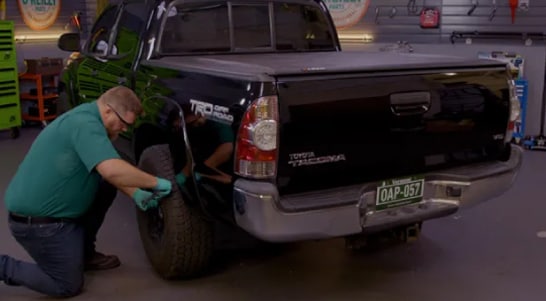
Step 25: Secure Your Wheels
Lower the rear of the vehicle, and remove the wheel chocks. Torque the lug nuts on your rear wheels in a star pattern to 83 foot-pounds.
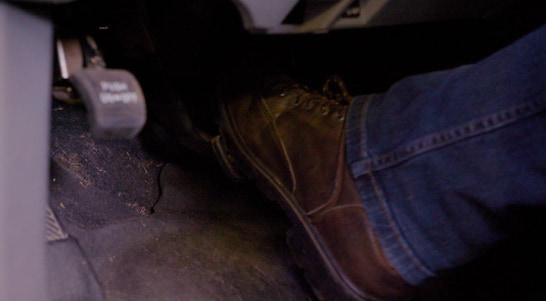
Step 26: Pump Your Brake Pedal
Finally, make sure you pump your brakes a couple of times to ensure the wheel cylinders are making contact with the new shoes.